
If you’ve ever searched for ways to fall asleep faster, you’ve probably come across sleep music playlists and apps that claim to help you drift off. There’s a growing trend of using artificial intelligence (AI) to create custom sleep soundtracks, but oldschool, traditional sleep music, like gentle piano, classical, or nature sounds, still has a big following. I’ll walk you through what I’ve learned about both options, how they work, and how they stack up when it comes to actually getting good rest.

How Sleep Music Helps Your Mind and Body Wind Down
Listening to music at bedtime isn’t just a modern trend. Music’s connection to sleep goes back a long way, with lullabies sung to children and relaxing melodies used in many cultures. The main reason sleep music works is that it helps calm the nervous system, slow your breathing and heart rate, and takes your mind off stressful thoughts.
Researchers have found that certain types of music, usually with slow tempos (around 60 to 80 beats per minute), make it easier to relax and transition to sleep. You don’t need a science degree to notice that a soft soundscape usually sets a chill mood that’s a lot more sleepfriendly than silence or unpredictable noises.
The Basics: What’s the Difference Between AI and Traditional Sleep Music?
There are two main players in the sleep music space right now: AIgenerated sleep music and traditional sleep music. Both aim to get you relaxed and help you fall asleep, but they do it in slightly different ways.
- Traditional Sleep Music: This covers classic lullabies, classical music, gentle acoustic instrumentals, soundscapes like rainfall, and curated playlists made by humans. Some pieces, like Erik Satie’s “Gymnopédies” or Debussy’s “Clair de Lune,” have been sleep staples for decades or even centuries. These tracks are made with creative intention, shaped by musicians for a soothing vibe.
- AI Sleep Music: This is where things get more techy. AI tools and apps use algorithms and data to build new, custom soundtracks. You’ll find apps like Endel, Brain.fm, or even YouTube channels putting out endless loops of musical textures, often designed specifically for sleep. The draw is that the music can adjust in real time based on your feedback or settings, creating a soundtrack that feels very personal.
How AI-Generated Sleep Music Actually Works
AI sleep music isn’t just random notes thrown out by a robot. It usually starts with a database of sounds and musical rules taken from existing sleep music or studies about relaxation. The AI then uses machine learning, pattern recognition, and sometimes biofeedback, such as your heart rate or the sounds in your room, to whip up a new track from scratch or adjust it as you listen.
An eye-catching feature with some AI apps is that they’ll change tempo, switch keys, or add gentle background sounds if you tell the system you’re having trouble sleeping. Others analyze your phone’s sensors to time their ambient sounds to your breathing or movement. Instead of loading the same old song every night, your soundtrack is refreshed and fine-tuned as you go, which can make things feel super personalized.
These apps are built to be adaptive. Some even claim to help you reach deeper states of rest by adjusting their soundscape based on data like your sleeping patterns from wearable devices. This next-level cool interactivity, combined with endless musical combinations, is the main reason tech fans often gravitate toward AIpowered sleep music—it can evolve right along with your nightly routine or changing moods.
Why People Still Love Traditional Sleep Music
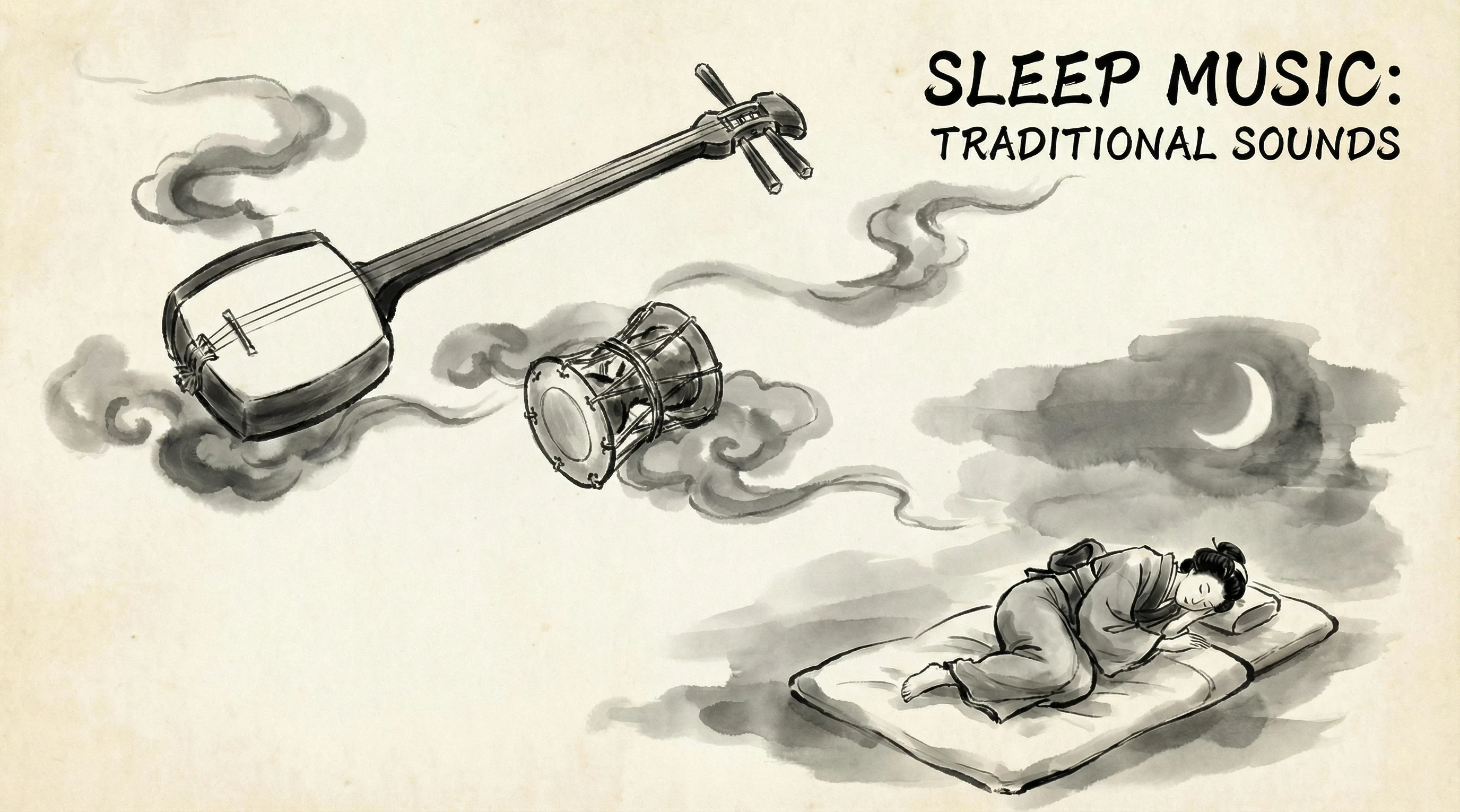
Traditional sleep music has a nostalgic element and is backed by years of positive experiences and even research. A familiar melody can trigger emotional responses, sometimes comfort or memories, that make relaxing a lot easier. For some people, myself included at times, humancomposed tracks feel warmer or more emotionally real than the computergenerated stuff.
Popular streaming services host tons of calming playlists labeled “Sleep,” “Deep Focus,” or “Relax,” many curated by real musicians or even sleep experts. There’s a sense of trust that comes with human touch, and some listeners find the imperfections and character of traditional music help them relax more deeply.
Another bonus: traditional music selections often come from celebrated works, which means they can have cultural significance or personal attachment. The shared experience of certain lullabies or classic melodies can be comforting in a way that AI-created tracks sometimes struggle to match. It’s about finding a sound that feels cozy and safe.
Which Option Gets You Asleep Faster?
There’s no onesizefitsall answer, but I’ve picked up a few things after trying both and reading current studies:
- AI sleep music adapts quickly. If you’re restless or your environment is changing, an AIgenerated soundtrack can adjust its rhythm and tones to what’s happening, sometimes helping you stay in that sleepready zone longer.
- Traditional music has emotional benefits. If you’re someone who finds comfort in familiar tunes, you might find traditional tracks have a soothing effect that’s tough for AI music to match.
- Sleep studies show positive effects for both. Some clinical studies, like those shared by the Sleep Foundation, back up both approaches. Music—whether composed by a person or an algorithm—can help reduce anxiety and speed up sleep onset. The specifics often come down to the person listening.
- Hybrid approaches are picking up steam. There are new playlists where artists join forces with AI, mixing the best of both worlds, such as original melodies layered with dynamic AI sound textures.
In my experience, people who need something totally fresh, don’t want to get distracted by lyrics, or value novelty might prefer AI, while those who like a cozy, familiar feeling will lean toward traditional tracks.
Tips for Choosing Sleep Music That Works for You
You don’t need an advanced sleep tracker to get a feel for what works; a little trial and error will help. Here are the things I keep an eye, or ear, on:
- Tempo and volume matter. Tracks with slower tempos and soft dynamics are usually the most sleepfriendly, whether traditional or AIbased. Avoid dramatic jumps or sudden noises.
- Looping vs. evolving tracks. AIgenerated soundtracks can work in subtle changes so things never get boring, while some traditional playlists just loop the same pieces. If you find repetition unsettling, AI’s adaptability could be a win.
- Familiarity and comfort. I sometimes crave the nostalgia of a classic lullaby or ambient instrumental. If you get comfort from certain songs or sounds, there’s no need to over-complicate things—stick with what feels good.
- Try a few different apps and playlists. There’s no shortage of choices. Some apps let you set your sleep goals, like “deep sleep” or “quick nap.” Look for user reviews or try the free versions before subscribing.
Things to Be Aware of Before Picking a Sleep Music Approach
There are a few common challenges worth keeping in mind if you want to use music to help you fall asleep faster:
- Disrupted sleep from unexpected sounds. Some AI tracks might change suddenly if they misinterpret your feedback. Similarly, traditional playlists with a wide variety of tracks can include some with volume jumps.
- Screen time and notifications. Streaming apps can tempt you back onto your phone or send notifications late at night, which can wake you up or interrupt your winddown routine.
- Personal taste and tolerance. Not everyone loves abstract drones or nature sounds, and some AI music can feel too “artificial” for certain listeners. Start with short sessions and go from there.
Unexpected Song Changes
AI music generators try to be flexible, but sometimes that means the background shifts just as you’re settling in. If you’re sensitive to these mixes, you might want to preview new tracks before committing. Traditional playlists can have the same problem if they automatically move to something off-brand.
Tech Overload
If your sleep app needs you to leave your phone nearby, make sure to silent calls and notifications. Devices on night mode can help, but too much tech, especially screens, can pull you out of a sleepy state.
Finding the Right Fit
With so many apps and playlists, narrowing things down is really about experimenting. What relaxes one person might irritate another. Streaming platforms usually let you create your own mixes of tracks once you know your taste, blending both AI and traditional music if you want to get creative.
Sticking with gentle tracks, no matter where they come from, muting disruptive notifications, and trying out playlists at nap time as a test run will all help you settle on a soundtrack that works for you.
Answers to Common Questions About Sleep Music Choices
If you’ve got questions about finding the best sleep music, you’re not alone. Here are a few things people ask me a lot:
Question: Is AI sleep music safe to use every night?
Answer: Yes. There’s no evidence that AIgenerated sleep music is harmful; it’s background sound, just like a fan or traditional playlist. The main thing is to avoid sleep apps that include unexpected ads or notifications, which can wake you up.
Question: What if I prefer one style, but want to mix it up?
Answer: No problem. Mixing AI and traditional tracks is easy; you’re not locked into one format. Many nights I’ll start with a playlist of piano music and finish with a generative ambient track if I’m still awake.
Question: Are there any scientific studies proving which is best?
Answer: Studies show multiple types of music can help with sleep onset, but there’s not enough direct comparisons between AI versus traditional music yet. Results are pretty personal, so experimenting is worth a try (see this review for more details on music and sleep).
Bottom Line: Picking the Sleep Music That Fits You
AI and traditional sleep music both have a spot in the world of rest and relaxation. AI can give you a custom, changing soundtrack that’s tuned to your feedback, while classic tracks hold emotional value and reliability. If you focus on calming sounds, minimal phone interruptions, and listen closely to how your body reacts, you’re likely to find something that helps your adventure to sleep go smoothly, no matter which type of music you pick. Sweet dreams!
“Your voice matters. Add your comments or questions below to keep the discussion going.”