
AI-driven sleep soundscapes might sound like something out of a sci-fi novel, but they’re very real and making waves in the wellness world. At their core, sleep soundscapes are curated sets of sounds, from gentle rain and ocean waves to more exotic animal calls, designed to aid your journey to dreamland. When you add AI into the mix, these soundscapes get a futuristic upgrade, automatically adjusting to suit individual sleep patterns and preferences.
So, how does AI fit into this cozy puzzle? With the help of smart algorithms, AI observes, learns, and adapts. It’s constantly collecting data and enhancing sound environments to match what helps you snooze best. Whether you’re someone who likes to fall asleep to the sound of the forest or prefer white noise, AI aims to hit that sweet spot every night.
You’ve probably noticed a surge in apps promising better sleep through sound however. specialized gadgets are taking it a step further with AI at the helm. Think of devices that can quite literally tune in to your sleep needs, adjusting volume, pitch, and more as your night progresses.
Sound therapy isn’t exactly new—it goes back centuries with people using rhythmic sounds and melodies to relax the mind. AI-driven solutions took this ancient practice, added a pinch of tech wizardry, and crafted something that evolves based on your own sleep trends. It’s like having a personal sleep conductor orchestrating the perfect lullaby just for you.
How AI Enhances Sleep Experience
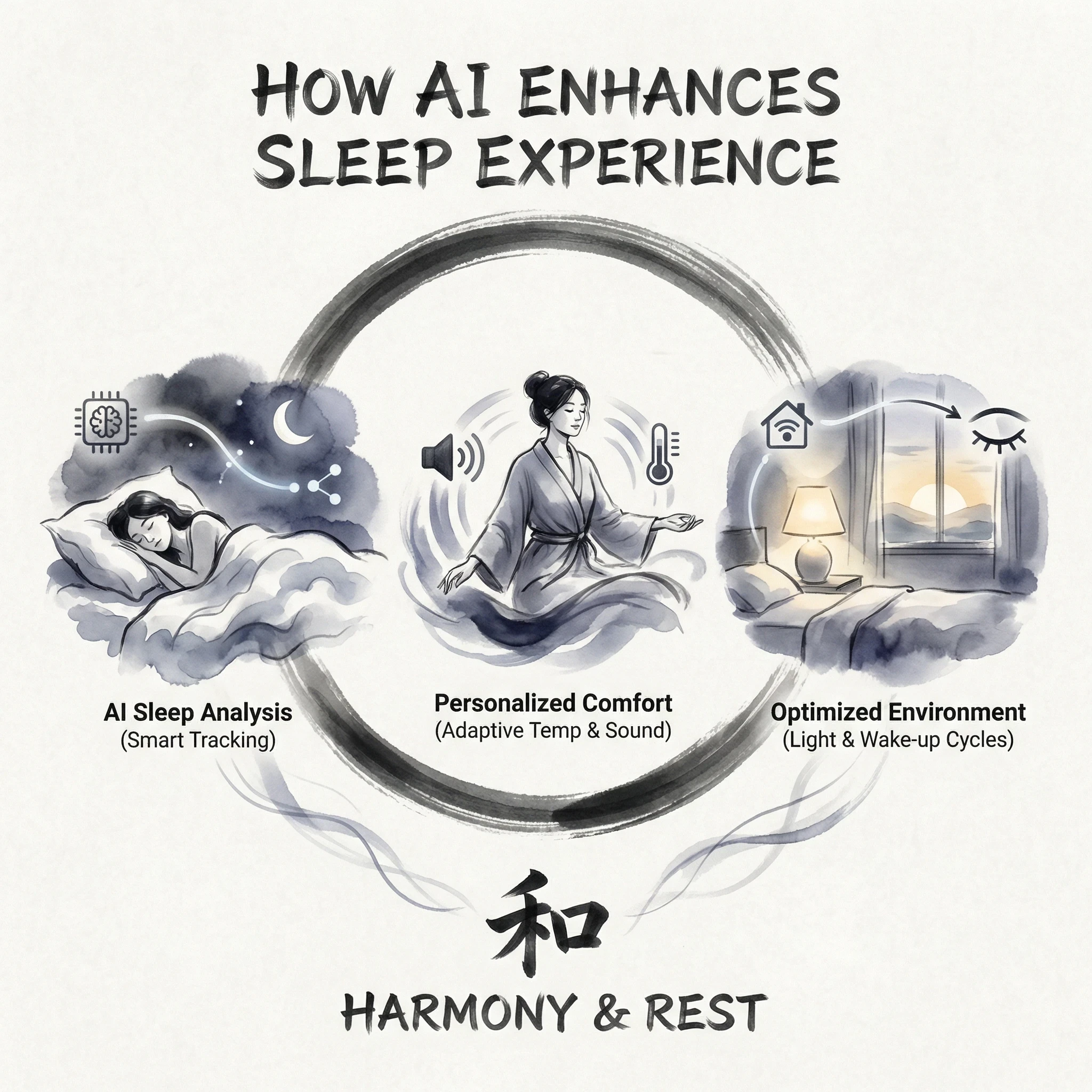
AI isn’t just changing the way we communicate or work—it’s quietly revolutionizing how we catch those Z’s too. These intelligent systems use advanced algorithms to create and tweak soundscapes that are unique to you and your sleep cycle. By leveraging data from your past nights, AI picks up patterns, making real-time decisions to better suit your rest needs.
Machine learning plays a big role here, adjusting the sound to your sleep cycle—whether you’re in light, deep, or REM sleep, it has you covered. It’s like having a sleep coach who understands when you need a little rainforest music and when you need the gentle hum of a fan. Finding that fine balance means better sleep quality without the guesswork.
The beauty of AI lies in its adaptability. While traditional sound machines cycle through audio loops, AI solutions continuously evolve. If your sleep pattern changes because of stress, new routines, or even diet, the AI adapts. It’s like getting a new, improved version of your favorite playlist every night—without any extra effort from you.
Compared to classic sleep aids like pills, which can leave you groggy, or human-led therapies that require face-to-face sessions, AI soundscapes offer a hassle-free approach. Simply set it up once, and let the tech do its magic. For anyone who’s had a sleepless night or two, this no-brainer approach can be a real game-changer.
Scientific Backing: Do AI Soundscapes Really Work?
While the idea of AI soundscapes sounds magical, science steps in to either verify or debunk the claims. Recent studies have been diving into whether AI-driven sound solutions genuinely boost sleep quality. The results show promise, with many participants reporting improved sleep scores and feeling more rested.
Not all experts share the same enthusiasm, though. Some sleep therapists argue that while AI adds value, it might not be the silver bullet for chronic insomnia or sleep disorders. Still, these soundscapes are increasingly recognized as helpful adjuncts to broader sleep therapies.
User reviews paint a pretty convincing picture too. Many folks rave about waking up more refreshed and experiencing less nighttime tossing and turning. Apps often prompt users to rate their sleep quality, and folks have reported meaningful improvements—be that’s promoting more restorative sleep or quicker time to slumberland.
It’s all about setting realistic expectations. AI might not produce miracles, but for those looking for non-invasive tools to enhance their sleep, it offers an exciting option. The fusion of tech with traditional sound therapy seems to hit a new sort of balance.
AI Soundscapes Versus Conventional Sleep Aids
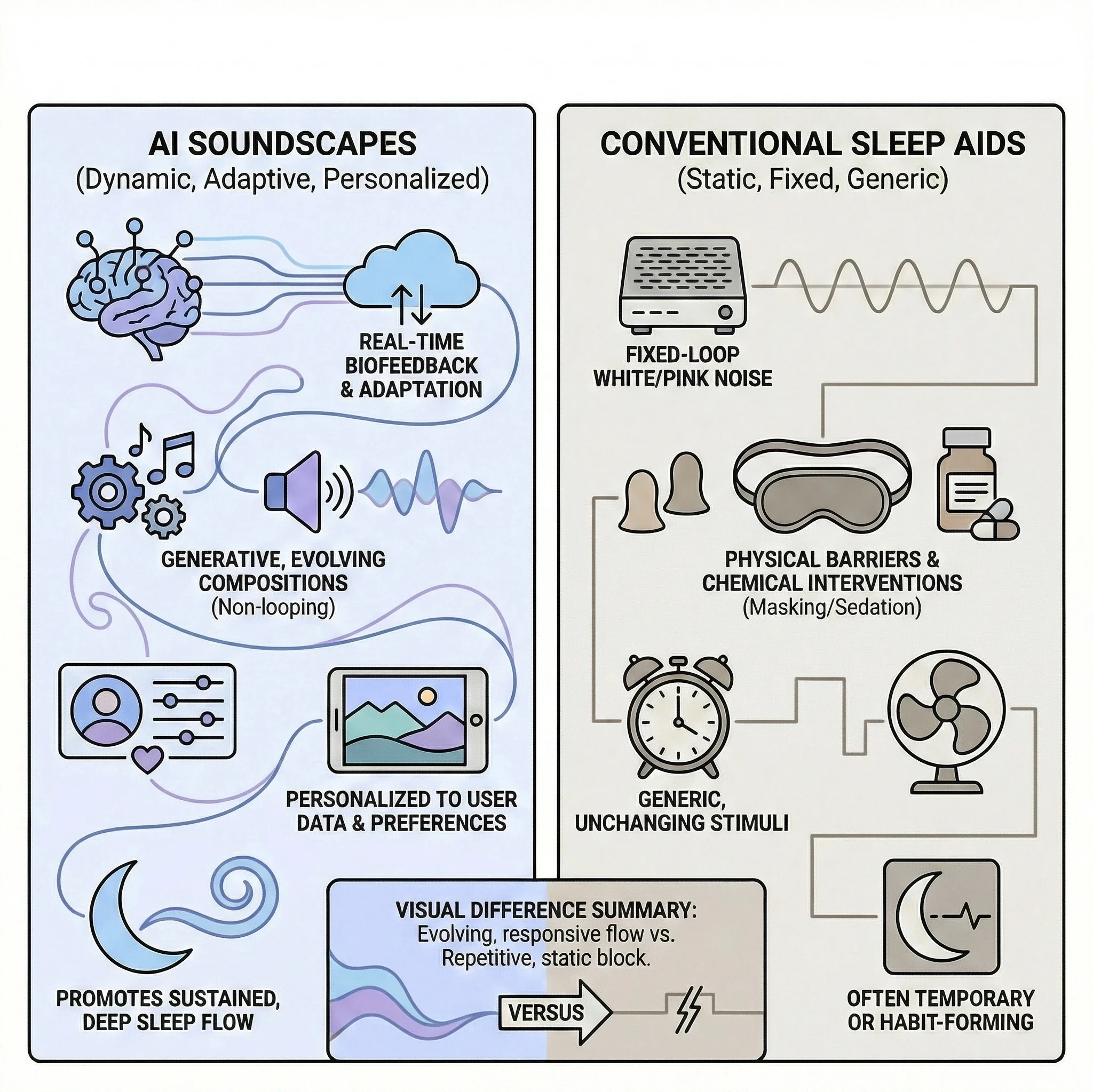
When it comes to battling sleepless nights, AI soundscapes stand out as a pretty neat alternative compared to more traditional sleep aids like pills or even bedtime teas. They’re non-invasive and don’t carry those pesky side effects that medications often do—no morning grogginess or dependency worries with AI.
Looking at it in numbers, studies show that most AI soundscape users rate their sleep experience favorably compared to those using over-the-counter sleep meds. While popping a pill might cut it for a quick fix, AI-driven sound solutions aim for long-term improvements. They adapt and evolve, which is something most conventional aids can’t compete with.
While AI systems do have upfront costs, think of it as long-term savings compared to refilling prescriptions or buying one herbal remedy after another. As the tech improves, we’re seeing more user-friendly, reasonably priced devices and apps popping up, making the case for soundscapes even stronger.
Sure, AI soundscapes aren’t without their downsides. Dependence on tech means potential privacy concerns given the data collected to tailor those soundscapes. Plus, without proper understanding, soundscapes might not suit everyone’s taste. But for tech-savvy folks, they offer a sleek, modern solution to an age-old problem.
The tech wonkiness might be a turn-off for some, but the environment-friendly, reusable aspect is something traditional aids can’t claim. No recurring expenses or contribution to landfill waste—just pop on those headphones and let AI take the wheel, night after night.
Future Trends in AI-Assisted Sleep Solutions
AI shows no signs of slowing down, and in the sleep arena, it’s getting even more innovative. Imagine sleep solutions that not only play sounds but also adjust room lighting or even temperatures to get you drifting off faster. The trend is heading towards more holistic approaches to better sleep.
Developers are looking at more integrated systems where wearables sync with sound devices. This means a Fitbit or smart ring could monitor heart rate or sleep cycles and dynamically adjust soundscapes based on real-time data. It’s like a tailored sleep experience, taken to a whole new level.
As these technologies advance, ethical concerns start cropping up, mostly around data privacy. With more sensitive data needed to improve accuracy, companies must tread carefully to maintain trust. Transparent privacy policies and secure data handling are critical for easing consumer concerns.
On a broader scale, AI isn’t just playing lullabies or natural sounds. The rise of binaural beats and AI-generated music specifically designed for relaxation highlights AI’s potential to change sleep and wellness in general. This signals more personalized, effective wellness solutions beyond just sleeping better.
As AI becomes a household staple in sleep management, the integration possibilities within the wellness industry are endless. Whether it’s reducing stress, enhancing focus, or aiding in meditation, AI’s adaptability is paving the way for a future where improved well-being is just a few data points away.
“I’m glad to have shared this information with you. Join the conversation by leaving your questions or comments below.”