
Nature sounds have this incredible ability to melt away the chaos of daily life and usher in a sense of calm like nothing else. Ever wonder why a babbling brook or rustling leaves can make you feel so chill? It all boils down to how our brains are wired. These sounds tap into our body’s natural instinct to relax, reducing stress and signaling safety.
Listening to natural sounds can be like a mini mental vacation. They provide a therapeutic escape, helping to manage anxiety and improve emotional well-being. Studies have shown their potential to boost happiness and offer emotional comfort.
Believe it or not, having nature sounds in your background could help you get into the zone. Whether working or studying, nature sounds can improve focus by reducing mental fatigue and drowning out distracting noises. They create a serene environment that lets your mind roam freely without getting sidetracked.
Think of nature’s soundscapes like a symphony tuned perfectly to human ears. There’s something about them that resonates deeply with us, creating a comforting backdrop that lets us feel more connected to the world around us. Soundscapes like ocean waves, birdsong, or rain aren’t just calming; they remind us of the peace and beauty that’s out there, making them an escape, even if just for a bit.
From Whispers to Waves: Understanding Ambient Sounds
Ambient sounds—imagine them as the low-key background kings of daily life. They include all those soothing noises around that often go unnoticed but make a big difference, like the distant hum of traffic or the gentle pitter-patter of rain on windows. These sounds are a tapestry woven from the natural and the artificial.
So, what’s the big deal about these whispers of the everyday world? They offer a soundscape that shapes our environment, subtly influencing our mood and stress levels. Unlike the clatter and clamor of city noise, ambient sounds are smooth operators. They bundle up distracting noises and replace them with a calmer, more consistent audio cushion.
Crafting your own ambient soundscape can be a fun, creative project. Whether you’re after the sounds of a forest or the hum of distant waves, there’s a way to blend them into something uniquely calming. Useful for meditation, studying, or winding down after a long day, these sounds can become personal soundtracks for life’s various moments.
It’s not just nature that gets all the love here. Artificial soundscapes like white noise or soft instrumental music play a vital role too. They hide the jarring everyday noises and bring a sense of peace to busy minds. Use them strategically in spaces where focus and relaxation are needed to optimize the environment and enhance your state of mind.
Sleeping Soundly: Identifying the Healthiest Sounds for Rest
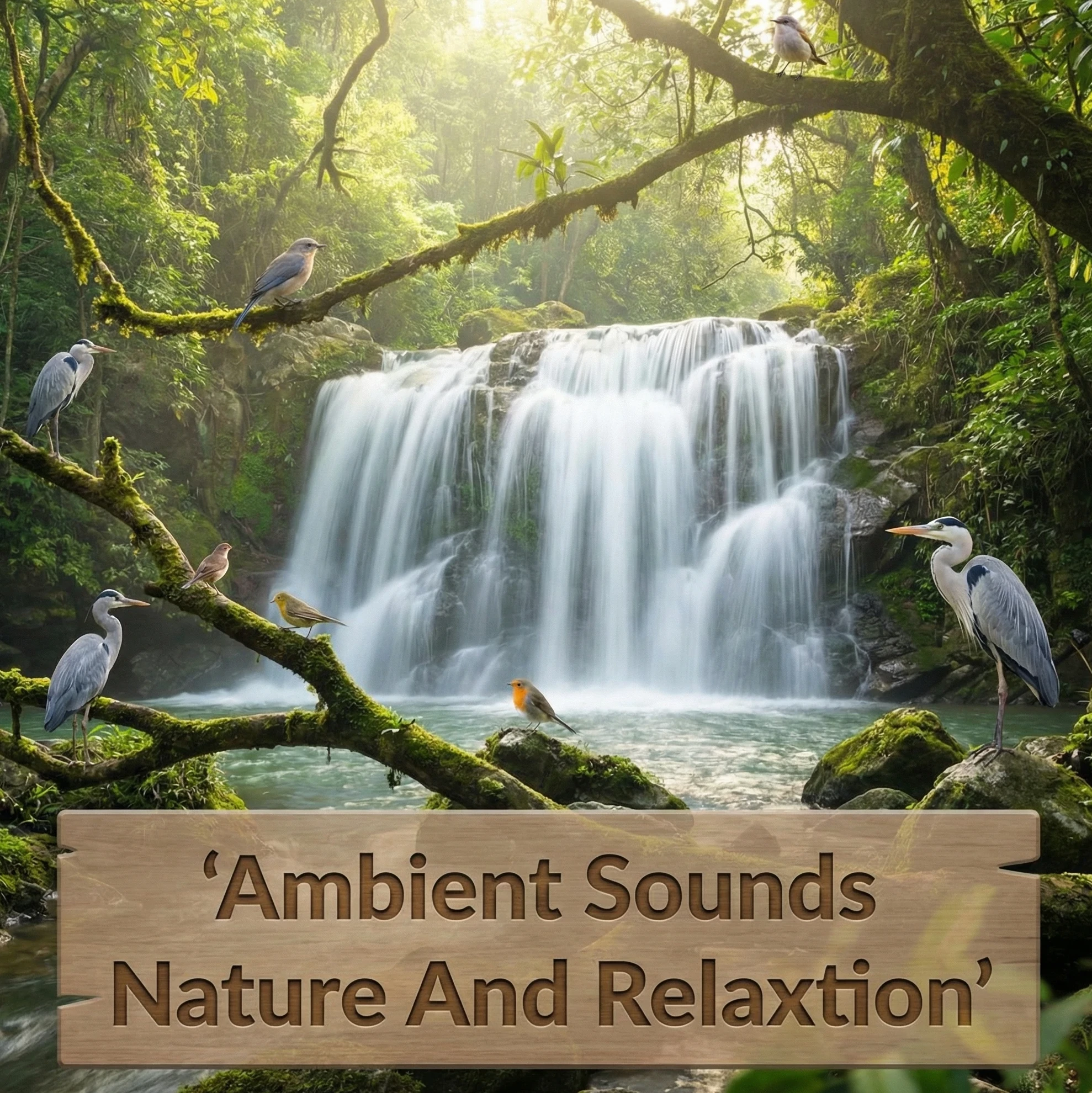
When it comes to catching some Z’s, not all sounds are created equal. If you’ve ever wondered if it’s the sound of waves or the steady whir of a fan that offers the best lullaby, you’re not alone. Research has shown that nature sounds, like a gentle rain or a bubbling brook, can often be your best bet for slumber. These sounds trigger a relaxation response in our brains, making it easier to drift into dreamland.
White noise might be popular, but when pitted against nature sounds, the latter often wins for a restful sleep. Why? Nature sounds tend to mask disruptive noises with a more pleasant, natural rhythm, helping to keep sleep cycles undisturbed. Plus, they carry a sense of familiarity that ushers in comfort, smoothing out stress and tension.
Recommendations often point to sounds like ocean waves, rainfall, or rustling leaves as prime sleep-inducers. These sounds mimic our body’s natural rhythms, creating an environment where your mind feels safest to relax. It’s that equilibrium that helps improve sleep quality over time.
Integrating these sleepy-time sounds is easier than you might think. Gadgets like sound machines or apps can do the trick, allowing you to curate an ideal night-time playlist. Just remember, consistency is key—make these calming sounds a regular part of your nighttime routine, and watch as they become a cue for your body to unwind and rest.
Creating Your Sanctuary: Incorporating Nature and Ambient Sounds into Daily Life
Ambient and nature sounds aren’t just limited to bedtime or moments of focused work. These sounds can be integrated into everyday life to create a more serene and joyful environment. Whether you’re at work, home, or in transit, there’s always a way to sprinkle in a bit of nature’s charm.
Meditation and mindfulness practice are massive beneficiaries of ambient soundscapes. A little birdsong or soft wind rustling can enhance the tranquil atmosphere, helping to anchor your mind and deepen your meditation practice. These sounds don’t just fill the silence; they make it resonate, adding layers to the experience.
If you’re looking to make your living space more calming, consider the role of sound. Gentle rain or wave soundscapes can transform your home into a personal retreat. They’re like DIY ambient backdrops that soften the harshness of a busy day. Think of sound as part of your interior design, shaping ambiance alongside light and color.
Even work environments can benefit from a touch of acoustic engineering. For those working from home or in offices, the right ambient sounds can enhance productivity while reducing stress. Instrumental music or subtle natural sounds can create a pace that keeps you energized yet calm.
To get started, finding the right equipment is essential. Invest in good-quality speakers or headphones if you want that immersive effect. Many devices or apps offer curated soundscapes to fit different moods or needs. Explore options until you find a mix that feels just right, and let sound become a trusted companion in your everyday sanctuary.