
AI sleep soundscapes have become a popular way for people to get better rest. For anyone curious about winding down with soothing, algorithm-generated sounds, these apps and devices can help create a relaxing bedtime environment. But if you’re thinking about making AI sleep soundscapes part of your nightly routine, it’s understandable to wonder if using them every night is actually safe. Here’s a breakdown of what to know before pressing play as part of your sleep ritual.
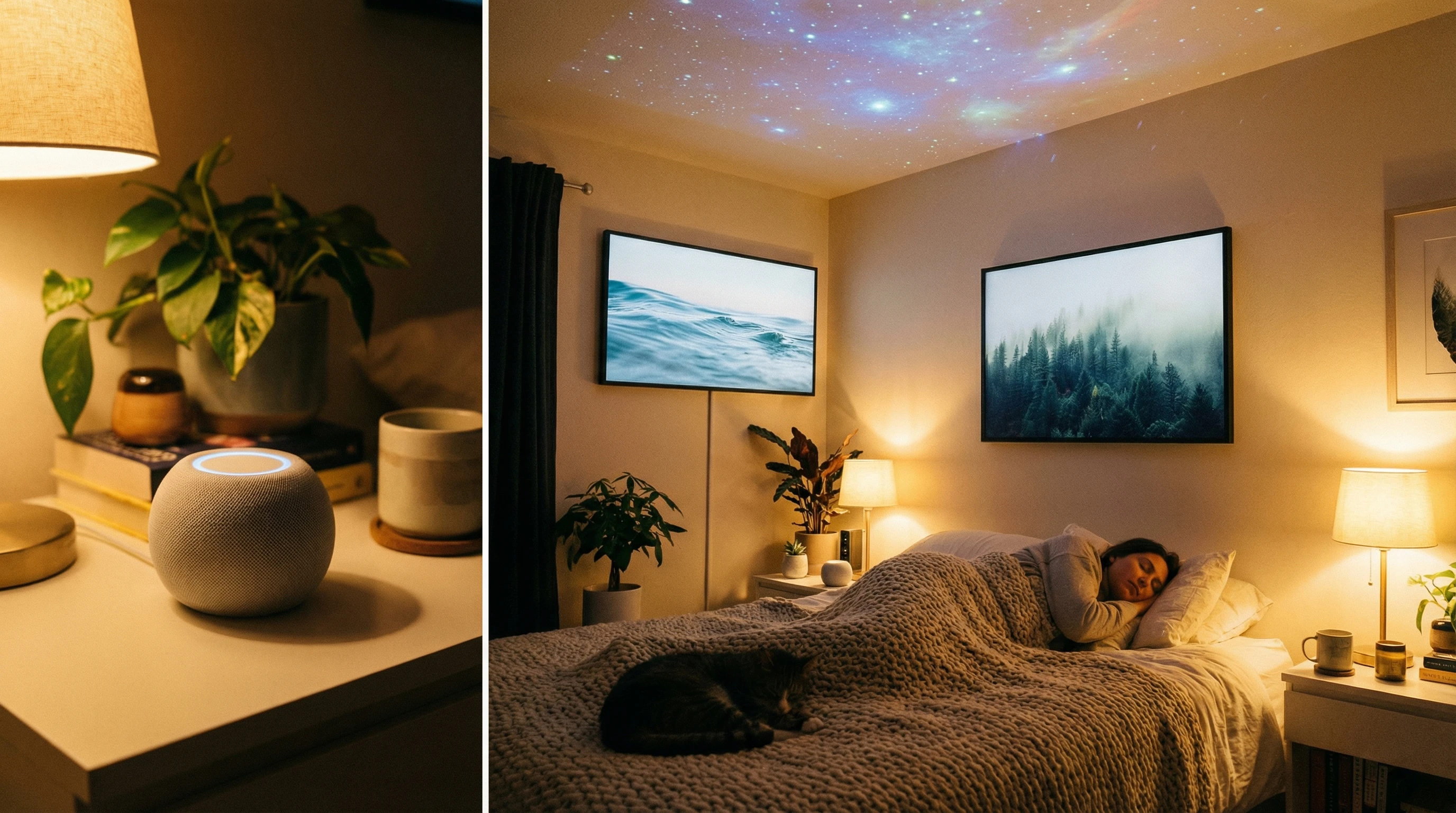
What Are AI Sleep Soundscapes, Really?
AI sleep soundscapes are audio tracks crafted with the help of artificial intelligence. Unlike regular sound machines or looping playlists, these soundscapes are often generated on the spot, adjusting to your personal preferences or reacting subtly to your environment. They might feature relaxing elements like soft rainfall, forest sounds, gentle music, or blends of white, pink, or brown noise—all mixed by machine learning to promote relaxation and sleep.
Behind the scenes, these apps and speakers use algorithms to either blend real recorded sounds or craft digital ones. Some even claim to “learn” which sounds you like most over time, giving a personalized touch to your listening experience. There’s no shortage of options, ranging from basic audio only apps to more advanced platforms that connect sleep soundtracks with smart home gadgets or wellness trackers.
How Do AI Sleep Soundscapes Work?
AI-powered sleep soundscapes make use of machine learning models trained on thousands of audio samples. They create new variations or mix existing sounds in ways that feel organic to the listener. Some features include:
- Personalization: The soundscape can adapt based on your feedback, sleep data, or even external factors like the weather or your current mood.
- Nonrepetitive tracks: Unlike a standard looped audio file, these soundscapes can play for hours without noticeable repetition, keeping the environment feeling “natural” and immersive.
- Context awareness: Some sound machines or apps change their sound mix depending on your activity or sleep stage if connected to a sleep tracker.
The technology behind these features isn’t magical, but many users find the infinite variety and adaptability of AI soundscapes to be handy for minimizing distractions and calming the mind to sleep.
What Science Says About Sleep Sound Effects
Using sound to help with sleep is nothing new. White noise machines, ambient music, and natural sounds have all been shown in sleep research to calm the nervous system and sometimes block out distracting noise from your surroundings. White noise, for instance, works by masking sudden changes in background noise, making it easier for people to stay asleep throughout the night.
What about AI-generated soundscapes? There aren’t many studies directly on AI sleep sounds yet, but science on sound therapy and noise for sleep suggests that gently shaped, predictable sound environments usually support a better night’s rest for most people. The AI twist introduces more variation and lets you add a personal spin. For more on sleep and sound, sites like the Sleep Foundation dig into current research and advice.
Potential Benefits of Nightly AI Soundscape Use
For many people, listening to AI sleep soundscapes can help boost sleep quality in multiple ways. Here’s why some users swear by them:
- Reducing intrusive noise: AI soundscapes can block out traffic, snoring, or noisy neighbors, helping you fall and stay asleep even in a busy environment.
- Establishing a routine: Having a consistent bedtime ritual—like starting a calming soundtrack—signals your body and brain that it’s time to wind down.
- Anxiety and stress relief: Gentle sound environments play a role in mindfulness and stress management. Both can contribute to healthier, deeper sleep.
- More variety and novelty: AIgenerated sounds bring limitless combinations, so things stay interesting and you’re less likely to get bored with your sleep soundtrack.
Many folks who struggle with sleep—especially in noisy cities, shared rooms, or after a stressful day—find nightly soundscapes to be a sleep gamechanger. Just like any sleep tool, though, personal results vary and it’s smart to keep tabs on how it affects your own rest.
Potential Downsides to Using AI-Generated Sleep Sounds Every Night
While most people can use AI sleep soundscapes safely, there are a few things to watch out for when making them a part of your nightly habit.
- Sleeping “crutch” risk: Depending exclusively on soundscapes every night could make it tougher to sleep without them (a lot like those who need a fan or TV to doze off).
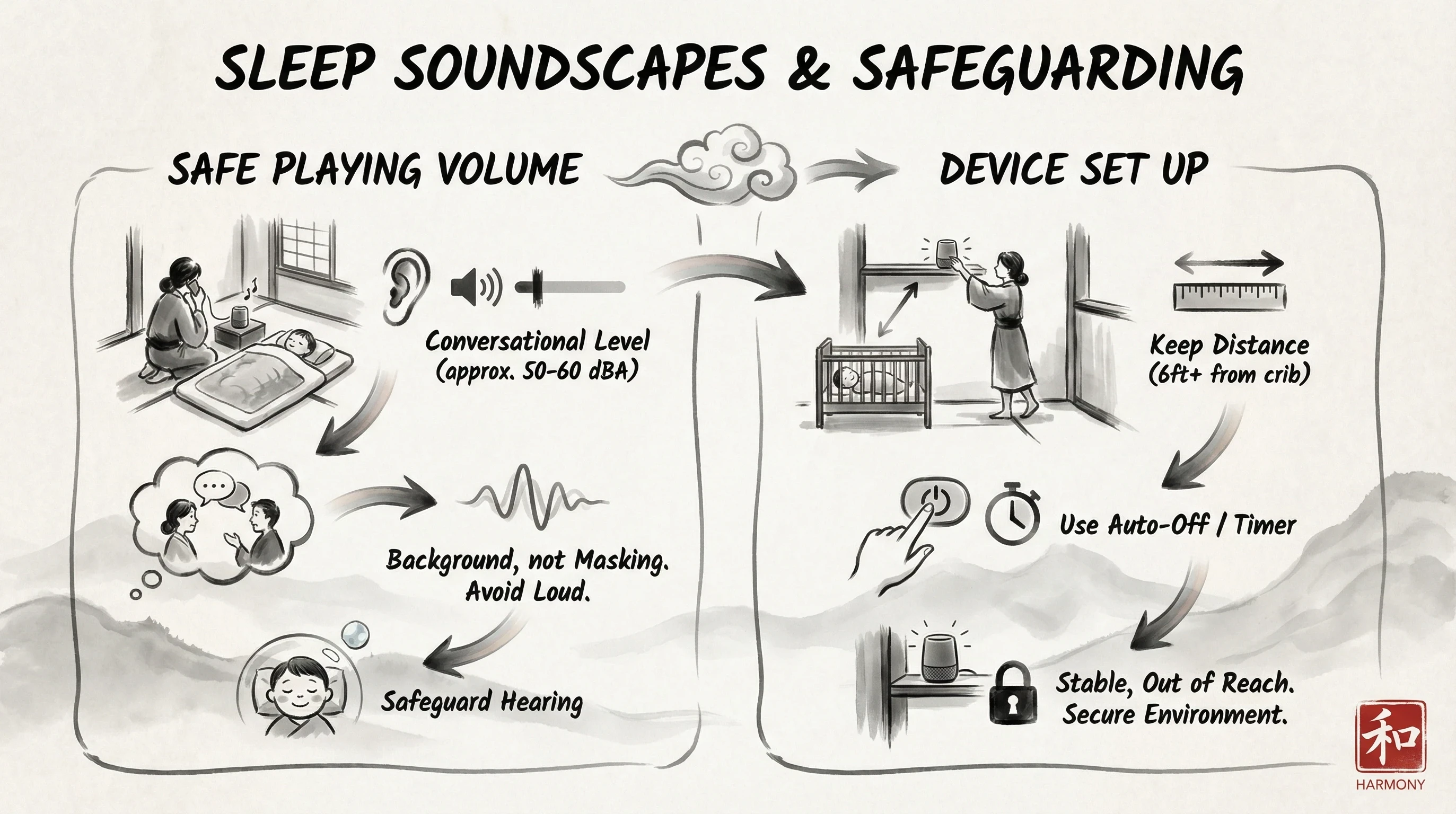
- Volume concerns: Keeping soundscapes too loud may affect your ears in the long run. It’s best to set the volume to a gentle, nonintrusive level—ideally under 50 decibels.
- Sound design choices: Overly complex or fast-changing soundscapes might jar you awake instead of helping you relax. Sharp or sudden noises could actually interrupt your sleep.
- Device dependency: If your soundscape requires a smartphone, tablet, or smart speaker, blue light and notifications may sometimes get in the way of quality sleep. Turn on “do not disturb” and keep screens out of view or across the room.
Some people with strong negative reactions to certain sounds (known as misophonia) might find soundscapes unsettling or distracting, so it’s all about preference. On rare occasions, certain tones can even become annoying or make sleep more difficult for those sensitive to pitch and rhythm changes.
Who Should Be Cautious?
In general, AI sleep soundscapes are safe for most healthy adults and teens. Still, if any of these apply, it’s worth checking in with a doctor or sleep specialist:
- You have chronic insomnia or a diagnosed sleep disorder
- There’s history of sound sensitivity or rising frequency of nightmares
- Children or infants are using the system; volume and device setup must be extra safe for young ears
Some sleep experts say it’s wise not to completely cut out environmental noise, especially alarms or emergencies (like a crying baby). Leaving one ear uncovered or not wearing headphones gives you more awareness of important sounds.
Tips for Safe, Everyday Use of AI Sleep Soundscapes
- Keep the volume low: Safe listening means your playback should be quieter than everyday conversation. Think gentle background noise, not a concert.
- Select simple, calming tracks: Gentle rain, slow-moving ocean waves, or static white noise usually work better than tunes with lyrics or unpredictable melodies.
- Use a sleep timer: Many apps and machines let you set them to fade out once you’re asleep, so you don’t have a blast of sound waking you up at dawn.
- Practice device safety: Place speakers or phones away from pillows and bedding to avoid overheating. Make sure cords are tucked out of the way.
- Mix it up now and then: If you notice you’re getting too dependent, or the sound is bothering you, take a break or try other wind down tools like guided breathing or meditation exercises.
Listening through an external speaker or a “pillow speaker” typically feels comfier and safer than using earbuds, which can irritate the ear if worn overnight.
Practical Considerations: Choosing the Right AI Soundscape App or Device
The market for AI sleep sound apps and gadgets keeps growing fast. When testing a few, I found it handy to:
- Try free trials from several apps to figure out which sound mixes you like best
- Read through reviews for feedback on sound variety, personalization, and easy controls
- Check for features like dark mode, timers, offline use, and straightforward setup
Leading choices include apps like Endel, BetterSleep, and Noisli, as well as smart speakers and classic sound machines. Premium devices sometimes connect with your sleep tracker, helping you keep an eye on improvements in your sleep. Resources like the Sleep Foundation’s white noise machine guide can help you find a good fit.
Common Questions Around AI Sleep Soundscapes
Question: Can you develop a dependence on sleep soundscapes?
Answer: It’s possible to get so used to AI soundscapes that sleeping without them feels tough. For most people, this is harmless, but if you travel a lot or share rooms, it’s useful to be able to sleep both with and without your usual bedtime soundtrack.
Question: Are AI sleep soundscapes safe for kids’ rooms?
Answer: Soundscapes aren’t known to be harmful, but parents should keep the sound even lower than for adults and stick with devices that have no loose parts or cords. For babies or toddlers, it’s a good move to ask a pediatrician for advice.
Question: Do AI-generated soundscapes actually boost sleep?
Answer: There’s promising evidence from conventional sound therapy, but the “AI” element hasn’t been studied much yet. A lot of people do report better sleep. Tracking your sleep with a journal or wearable can help you know what works best for you.
Are AI Sleep Soundscapes Safe to Use Every Night? My Takeaway
For most adults in good health, AI sleep soundscapes can be a safe and practical part of winding down every night, as long as you use them at a comfortable volume and pay attention to your own sleep patterns. Just like any sleep aid, they’re best when combined with other good sleep habits—keep lights low, avoid caffeine late at night, and stay off devices right before bed. When in doubt or if you have ongoing trouble sleeping, checking in with a doctor or sleep pro is always a good idea. Here’s to better rest and peaceful nights!
“If this article sparked ideas or questions, share them in the comments—I actively respond and engage.”