
AI sleep soundscapes have quickly become one of my favorite tools for winding down and managing tough nights when insomnia, anxiety, or overthinking just won’t budge. Whether you want soothing nature vibes or gentle melodies, AIpowered soundscapes offer a convenient way to help your mind slow down. Here’s my allinone look at how these soundscapes work, what to keep in mind when picking one, and the standout options worth checking out right now.

Why AI Sleep Soundscapes are Useful for Anxiety, Insomnia, and Overthinking
Restless nights and racing thoughts can easily turn into a frustrating cycle. Traditional sleep aids can be hit or miss, and sometimes background noise or simple playlists only help so much before you start tuning them out. AI sleep soundscapes step in by creating soothing audio blends based on things like your current mood, stress level, or even the sounds you already enjoy.
These soundscapes are generated on the fly, so you’re not just looping the same tenminute track again and again. That variety is perfect for people who get annoyed by repetition or want something a little more engaging for the mind. While AI soundscapes are not medical treatment, a lot of people find them great for establishing more relaxed routines before bedtime.
If you’re managing anxiety or your brain tends to go into overdrive at night, a tailored soundscape can provide a gentle focus, making it easier to let go of busy thoughts. Some even use biofeedback or integrate with smartwatches, adjusting in real time if your heart rate rises or you’re getting restless. Pretty smart, right?
Getting Started: What Makes a Good AI Sleep Soundscape?
There are a few features I always look for in AI soundscape apps or platforms, especially if sleep is your main goal. Here’s a quick guide to help you spot the ones best suited for relaxing, sleeping, or simply lowering anxiety at night:
- Personalized Mixing: The coolest AI soundscapes learn from your feedback, using sliders or mood checkins to switch up what you hear as time goes on.
- NonRepetitive Audio: Real AI generation means the track doesn’t just restart after a few minutes, so there are fewer annoying distractions interrupting your winddown.
- Nature and Ambient Layers: I love when there’s lots of room for gentle rain, soft wind, or distant thunder to blend together; these layered, organic sounds are classic sleep aids for good reason.
- Sleep Timers and Gentle FadeOuts: Being able to set a timer with a slow volume dip means you’re not jolted awake by sudden silence or a sharp ending.
- Adaptive Audio: Some soundscapes can adjust based on movement, your heart rate (if your phone or wearable can detect it), or even the weather in your area for extra immersion.
When experimenting, I recommend starting with mellow soundscapes that avoid heavy beats or sudden loud changes, especially if you’re easily startled when dozing off. Subtle, slowevolving tracks are where AI sleep soundscapes really shine.
My Favorite AI Sleep Soundscape Apps and Platforms
There are a bunch of fantastic options out there. Here are some that grabbed my attention for their tech, user reviews, and the restful experiences they deliver. You’ll want to check them out to see what fits your vibe and preferences best:
- Endel: Endel stands out for personalized sleep soundscapes based on your circadian rhythm, the weather, and even your heart rate (using Apple Watch or other wearables). The app dynamically generates sound in real time so it’s always changing and gently evolving. It’s super useful if you like nature sounds or simple melodic ambience. Explore Endel.
- Brain.fm: Brain.fm’s AI creates soundscapes that use subtle neural entrainment. In other words, it helps your brainwaves get in sync for deeper rest over time. The interface is simple, and you can pick Sleep or Relax modes depending on what you’re struggling with. Learn more at Brain.fm.
- Mubert: Mubert provides nonstop AIgenerated music, including sleep and relaxation options. The sound textures are great for those who prefer a more electronic or modern vibe, not just nature sounds. Try out Mubert.
- Pzizz: Pzizz mixes AI with proven psychoacoustic techniques to generate “dreamscapes” meant for sleep, napping, or relaxation. Each session is unique, and narration or gentle voice options can help guide anxious minds. Check out Pzizz.
- Suno AI (via Soundful): Suno recently rolled out AI sleep and focus soundscapes through Soundful. You can customize background vibes from soft ocean washes to lofi chill beats, and every session is created in realtime. Find Suno AI soundscapes.
While plenty of these are subscriptionbased, most offer free trials so you can try them before paying up.
How to Get the Most Out of Sleep Soundscapes
Using AI soundscapes is all about building a routine and creating a calming nighttime environment. Here are a few more tips I’ve found that make a huge difference in how well these tools work for better sleep:
- Set a Consistent Bedtime: Your brain absolutely loves routine when it comes to winding down. Pair your soundscape with a set bedtime for the biggest benefits.
- Keep the Volume Low: It’s really important for sleep—the sound just needs to mask distracting noise, not blast your eardrums. If you wake up in the night, a steady, soft background is best.
- Darken the Room: Use blackout shades or a sleep mask. Even the greatest sound won’t help if your environment is bright or visually distracting.
- Avoid Other Screens: Try not to scroll your phone or watch TV while your soundscape is playing. Gentle audio paired with darkness is the most relaxing combo.
- Experiment with Styles: If you get bored or annoyed with a certain style, don’t hesitate to swap sounds. Some nights, water might feel lovely, while other nights you might lean into white noise or forest sounds instead.
If you struggle to fall asleep and tend to overthink, pairing these soundscapes with calming breathing techniques, like box breathing or the 478 method, can provide an extra layer of relaxation to help you drift off easier.
Things to Consider When Choosing an AI Soundscape Platform
Soundscape apps aren’t all put together the same way, and it’s smart to consider a few key points so you don’t waste time switching from app to app every night:
- Device Compatibility: Doublecheck if the app works on your device—phone, tablet, smart speaker, or even a wearable gadget.
- Privacy: If the app uses biofeedback or tracks heart rate, check how it stores your information. Stick with apps that are upfront about their privacy policies.
- Subscription Costs: Some apps limit sleep features to paid plans, while others let you test them out before you commit. Keep an eye on hidden fees or trial auto renewals.
- Offline Availability: Downloadable sleep soundscapes mean you won’t face buffering issues in the middle of the night.
Researching carefully helps you avoid frustration and makes it easier to stick with a sleep routine that supports your anxiety and sleep goals longterm.
Adaptive and RealTime Soundscapes
Some users notice more consistent sleep when soundscapes adjust in real time based on feedback. Adaptive AI tweaks the sound as you move, fidget, or even when your heart rate changes. This is an emerging trend, and I’ve seen it work especially well for people who wake up often or get anxious if the ambient sound feels too unchanging. These systems aren’t flawless yet, but the potential for personalized sleep support is definitely growing.
Nature Sounds vs. Melodic Ambience
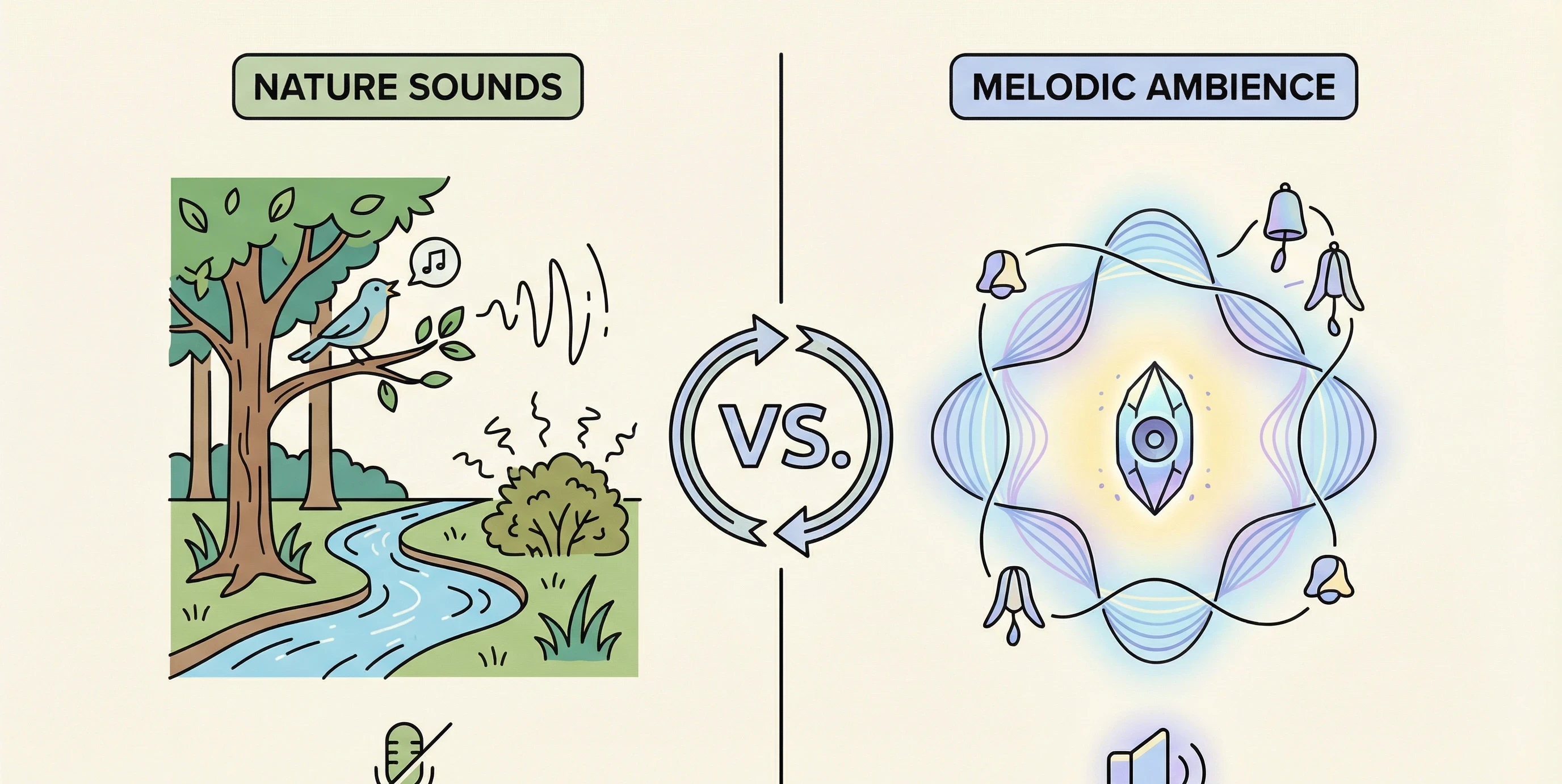
When I’m choosing between AIgenerated nature environments and more melodic music, it almost always comes down to personal taste. Nature layers are a classic for sleep aid, like gentle rainfall, forest ambiance, or ocean waves. They’re particularly good for masking outside noises at night too.
Melodic AI sleep soundscapes lean toward calming music, usually with soft pads, chimes, or quietly mixed harmonies that gradually shift without sudden changes. If pure white noise is too dull for you, melodic options add a touch of warmth and focus.
Frequently Asked Questions
People are always curious about how AI sleep soundscapes stack up to other sleep aids and how to use them effectively. Here are some common questions I get asked a lot:
Q: What makes AI soundscapes different from regular calming music?
A: Instead of looping the same recording, AI mixes and adapts the sound in real time, keeping things fresh and less predictable for your brain to “tune out.” This keeps you engaged at just the right level for relaxation and sleep.
Q: Can AI sleep soundscapes help with anxiety or intrusive thoughts?
A: They can give you a gentle focus, which is helpful for anxious minds or when overthinking tries to hijack your night. While not a therapy substitute, many people find them soothing for letting go of busy thoughts.
Q: Should I use headphones or a speaker for sleep soundscapes?
A: Lightweight, comfortable headphones are good if you share a room or live somewhere noisy, but a small bedside speaker at low volume usually does the trick. Avoid tight or bulky headphones, since they’re uncomfortable for side sleepers.
Q: Are these apps safe?
A: For most people, yes. Look at app permissions and privacy settings, and avoid using soundscapes that are too stimulating if you’re sensitive to certain frequencies or beats. If you have hearing concerns, stick to sounds in your comfortable volume range.
Creating a Better WindDown Routine with AI Soundscapes
Bringing AI soundscapes into your routine is one of those small upgrades that can make a big difference for sleep quality and nighttime anxiety. It pairs well with other relaxing practices like journaling, gentle stretching, or reading before bed.
Try testing a few different soundscape apps to find your perfect pre sleep soundtrack. Stick with what feels genuinely calming, and don’t worry if it takes a week or two to notice results. These small adjustments add up, and better sleep is well worth it for your mood, energy, and well being the next day.
If you’re looking for an easy way to step up your nighttime routine and want a techdriven solution for sleep struggles, letting loose with AI sleep soundscapes might just be the nextlevel cool change your evenings need. Sweet dreams!
“Feel free to leave any questions or comments that you have in the box below”