
Brown and blue noise might sound a bit like a painter’s palette, but they’re actually part of the sound spectrum. Just as artists play with colors, sound experts categorize these noises based on their unique frequency patterns. Brown noise and blue noise have their own vibe, and each brings something special to the table when it comes to enhancing our sleep.
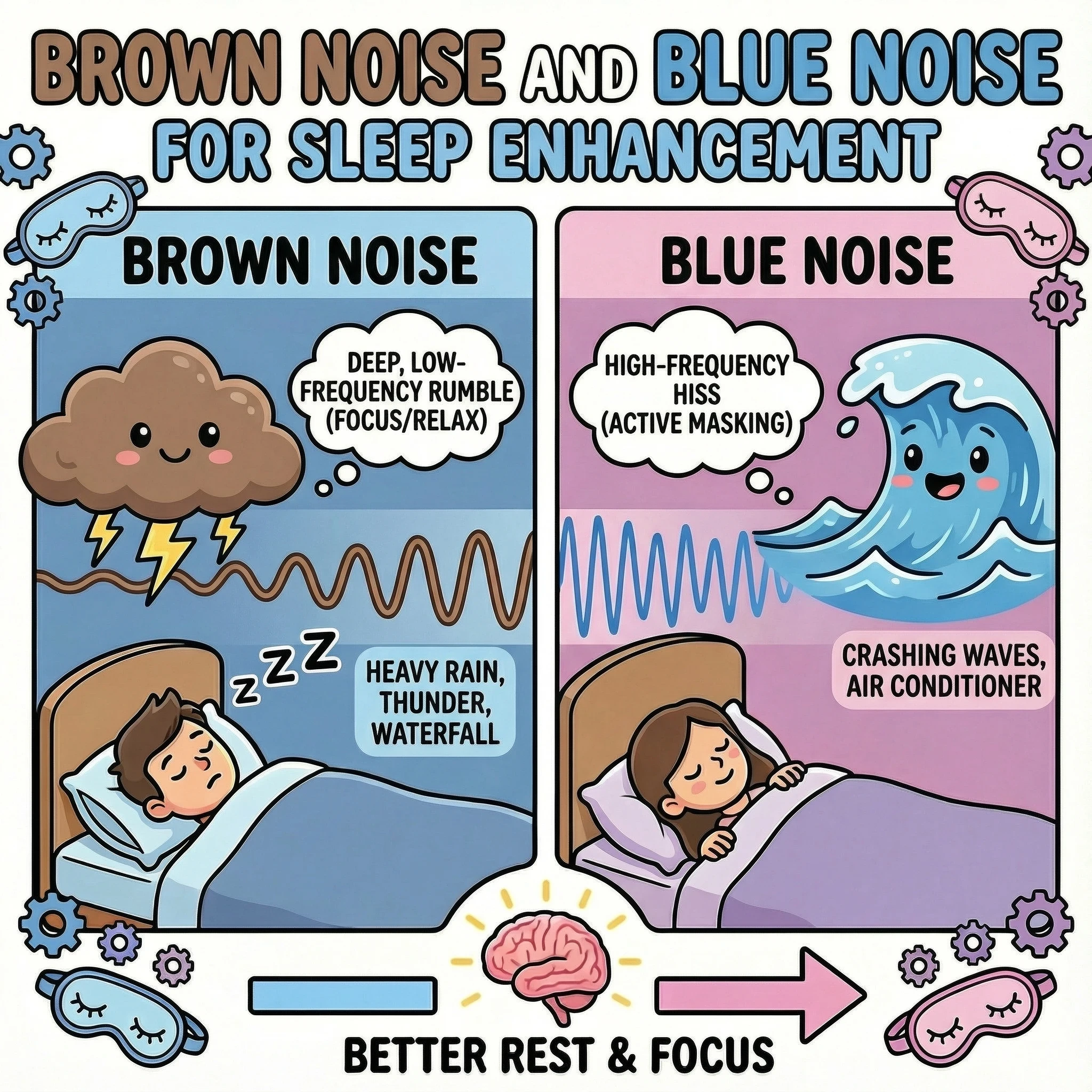
Sound colors are a fascinating mix of physics meets wellness. Brown noise gets its name not from the color but from Robert Brown, the scientist known for his work on Brownian motion. The noise is rich and deep, offering a consistent hum that some folks find deeply relaxing. On the flip side, there’s blue noise—lighter and higher-pitched, adding energy to the static hum, making it an interesting choice for boosting concentration and alertness.
So, how does all this science translate to snooze time? Different sound colors tweak the brain in various ways, playing with our perception and overall health. Studies suggest that brown noise helps you drift into a peaceful slumber thanks to its deeper tones, while blue noise could keep those brainwaves buzzing in a way that keeps you energized yet ready to rest.
Pretty neat, huh? Imagine listening to a sound tailor-made to fit your sleep needs. Scientists have even given some of these techniques their gold stamp of approval, showing how different frequencies can significantly impact sleep quality. It’s like having a customized lullaby, straight from the world of science and sound.
Brown Noise: Deep Relaxation for a Tranquil Sleep
Brown noise is all about that mellow, immersive sound experience. Packed with low frequencies, it’s like a cozy blanket of consistent hum that wraps you up and helps you unwind after a long day. This deep sound is known for having a calming effect, perfect if you need a little help to switch off your buzzing mind at bedtime.
How does it work its magic? By smoothing out sudden noise interruptions that might otherwise jerk you awake. So whether you’re in a noisy neighborhood or sharing a space with a snorer, this steady hum keeps those disturbances at bay, leading to a less interrupted and more restful sleep.
For those wrestling with insomnia or anxiety, brown noise can be a game changer. It has a reputation for being effective in easing anxious thoughts, helping you focus on the soothing rhythm instead. This can be especially helpful if you’re the kind who finds silence too loud, letting you drift off more naturally.
Don’t just take my word for it. Many people have found their peace with brown noise, sharing stories of finally finding that elusive sleep. Sleep experts even back this up, noting how beneficial brown noise can be for those struggling to calm their mind.
Feeling stressed with sleepless nights? The deep tones of brown noise might be the lullaby your brain has been craving. With its low, enveloping sound, it’s a simple and effective tool in the quest for better sleep.
Exploring Blue Noise: Invigorating Sound for a Refreshing Rest
Blue noise steps in with its higher pitch and consistent energy, setting a different mood for your nighttime routine. It’s got this unique balance of vibrancy that invigorates without overwhelming, making it pretty intriguing for those who want something a bit lively yet soothing.
The way blue noise works is all about its subtle power. It adds a bright edge to the typical white noise, being slightly more intense at higher frequencies. This can help energize your mind early in the day or help settle an active day into a smoother night. It’s less about deep relaxation and more about maintaining focus while gently lulling you toward rest.
For folks who are light sleepers, blue noise offers a comforting backdrop. Its higher frequencies can mask the softer sounds that often pull light sleepers back to wakefulness, like the next-door dog barking or distant traffic. It’s all about creating a stable, peaceful environment to fall asleep.
Comparing the two sounds, blue noise serves early risers and light sleepers who appreciate a bit more clarity and structure in their sound environment. Brown noise might suit those looking for depth and warmth, while blue noise tends to attract those who enjoy a crisper tonic to their bedtime soundscape.
Deciding whether blue or brown noise fits you best can be a personal journey. Test them out, see how they interact with your space and rhythm, and discover which one truly supports your sleep journey. Your perfect match might even change night to night.
Choosing the Right Noise: Personalized Approaches to Sleep Enhancement
Finding the right sound for your snooze session often boils down to your personal preference and specific needs. Maybe you vibe more with the rich depth of brown noise or the zesty tone of blue noise. It’s all about what feels right in your space and context.
Start by considering what disrupts your sleep. If it’s irregular noises like traffic or chatter, brown noise might work best. But if you’re trying to drown out softer, less predictable sounds, the sharper tones of blue noise might be your go-to. Testing them both over a few nights could reveal which helps you hit that snooze sweet spot.
Personalizing your sound environment can make all the difference. Whether you’re setting up a multi-sound gadget next to your bed or cueing up tracks on your smartphone, finding that right mix can turn your room into a sleep sanctuary. Plus, you can mix sounds to say, combine brown noise with soft natural sounds or even layer it with blue noise for a hybrid effect.
Modern apps and devices have made it easy to experiment with sound colors. Many apps let you try out different types of noise, adjusting volume and blends to fit your mood. This tech revolution ensures that catering noise to match your rest needs is just a tap away, letting everyone find their own sweet escape into rest.
At the end of the day, the key to superior sleep lies in listening to what your body and mind need. Whether brown or blue, finding your sound match means better nights and brighter days. With a bit of experimentation, your quest for the perfect sleep sounds is well within reach.
“Any questions or comments? Leave them in the comments box below and I will back to you”