
Music has this magical way of reaching into our subconscious and touching places words and actions sometimes can’t. When it comes to sleep troubles like insomnia, you’d be surprised how much a good tune can do. The connection between music and our brain waves is fascinating. Slow-tempo tunes, especially, work their charm by slowing down the brain’s rhythm, nudging it toward more restful waves. Think of it as an invisible hand coaxing your mind to let go and wander into dreamland.
Now, ever wonder why a calming melody feels like a comforting hug after a long day? That’s your autonomic nervous system responding. Music has the power to dial down your heart rate and blood pressure, easing you into a state of relaxation that’s perfect for bedtime. When the body’s in chill mode, drifting off becomes way more achievable.
Science has your back on this, too. Plenty of studies show that those soothing rhythms aren’t just a feel-good trick. Researchers have found that music can significantly improve sleep quality, proving its worth as a tool against sleeplessness. It’s like having a secret weapon tucked into your nighttime routine without even popping a pill.
Beyond just the physical, there’s the whole stress-relief angle. A soft, melodic playlist can melt away anxiety like hot water on a sugar cube, addressing one of insomnia’s key culprits. So, when stress is keeping you up, the right music might just be your ticket to a peaceful night’s sleep.
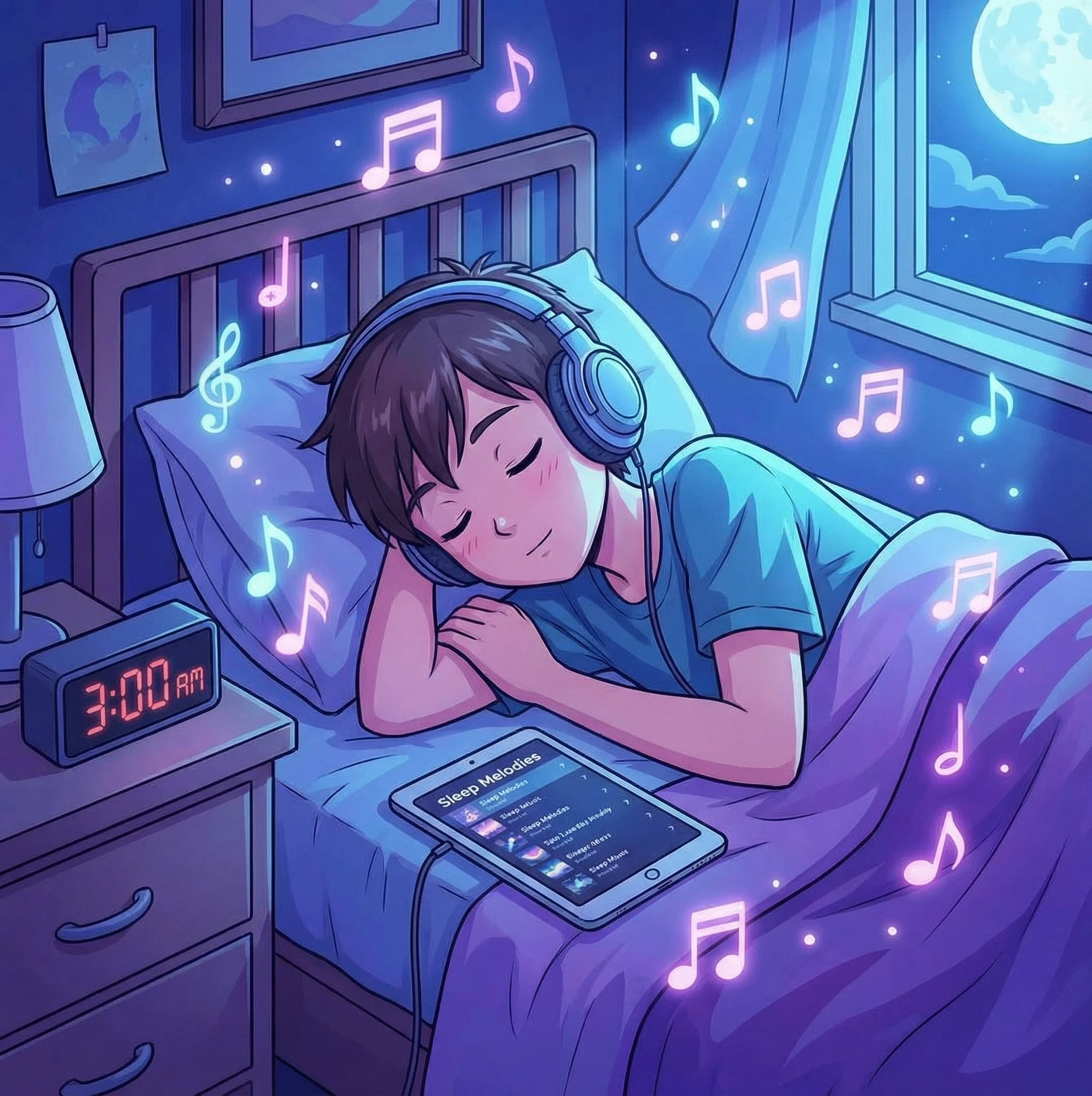
Choosing the Right Melody: Tailoring Music to Combat Insomnia
Finding that perfect sleepy-time jam can be a bit like dating—trial and error until you hit it off. Not all music will tuck you in effectively. Some genres, like classical, ambient, or even specific slow rock, are known for their soothing qualities. The key here is to focus on slow, steady rhythms with minimal lyrics that don’t keep your mind racing along.
- Ready to build your playlist? Start with genres known for helping people unwind. Many find success with soft instrumental tunes. Think of artists and compositions designed to relax, like Debussy or Eno’s ambient works. Streaming services and apps often curate playlists specifically for sleep, making it easier to find something that works for you.
- Customization is everything. What resonates with one person might not have the same effect on another. It’s like crafting a sleep soundtrack tailored just for your brainwaves. Don’t be afraid to try different sounds until you stumble across the one that makes you sigh in relief.
- Setting the scene is crucial too. Pair your tunes with a cozy, dimly lit room. The combination helps signal to your body that it’s time to wind down. Something as simple as dimming the lights and lowering the shades can make your space feel like a sanctuary devoted to rest.
- In our digital age, technology can be a handy partner. Look into sleep apps that blend music with white noise or nature sounds, seamlessly integrating sound into your bedtime routine. Some apps even offer mind-calming exercises that work wonders when paired with relaxing music.
- Your music choices aren’t just a passive experience. They’re part of an intricate dance to help you reclaim restful nights and regain your energy. So go ahead, explore, and create a soundtrack for your sleep story.
Effective Integration: Harnessing Music as a Complementary Sleep Aid
Integrating music into your sleep routine can be as simple as setting aside some quiet time before bed with your favorite calming tunes. Consider crafting a bedtime ritual that starts with winding down activities like reading or sipping herbal tea, then easing into a session of relaxation with your sleep playlist. This routine signals your body that it’s time to transition from daytime activity to nighttime rest.
For those dealing with chronic insomnia or other sleep disorders, music can serve as a nonpharmacological tool that complements more traditional treatments. It can ease symptoms and, over time, potentially reduce reliance on medication. Consulting with a sleep specialist can offer insights into how best to incorporate music into your treatment plan. Real-life examples abound, from people who drift to sleep with Bach to those who prefer the gentle hum of a fan paired with soft melodies. These personal success stories highlight music’s potential as a viable aid in battling insomnia.
Incorporating music into your overall wellness routine offers benefits beyond a good night’s sleep. It can enhance relaxation techniques like yoga or meditation, making your self-care practices even more effective. Plus, music has a way of uplifting mood and promoting mental well-being, contributing to a better quality of life overall.
By making music an intentional part of your nightly routine, you’re not just combating insomnia. You’re transforming your approach to sleep as a whole, creating an environment where rest and relaxation are prioritized and accessible. So, put on those headphones and let your personalized playlist guide you to a night of peaceful slumber.
“I’m confident this article gives you the clarity you need. If you have any questions or feedback, drop them in the comments.”