
Slow-wave sleep, also known as deep sleep, plays a vital role in the sleep cycle, pulling us into the realm of true rest and recovery. It’s like the VIP section of the club where all the restorative magic happens. During this phase, your body is all about hardcore repair mode, focusing on healing tissues, regenerating cells, and fortifying the immune system.
When you’re in that deep snooze, your brain takes this brilliant opportunity to consolidate memories, meaning it’s sorting through the day’s events and helping you keep the bits you need. Basically, it’s the kind of sleep that’s making sure you don’t just crash physically but also sharpen mentally when you wake up.
The perks of quality slow-wave sleep extend far beyond memory boosts. It’s linked to better mood regulation and can even help ward off anxiety and depression. Skimp out on this phase, and you might be waking up feeling groggy instead of refreshed, which can lead to a whole bunch of other health issues.
But getting into slow-wave sleep doesn’t come easy for everyone. Stress, irregular sleep schedules, and even that sneaky caffeine can mess with this crucial stage. So, identifying and understanding these barriers is the first step toward reclaiming your right to refreshing, restorative sleep.
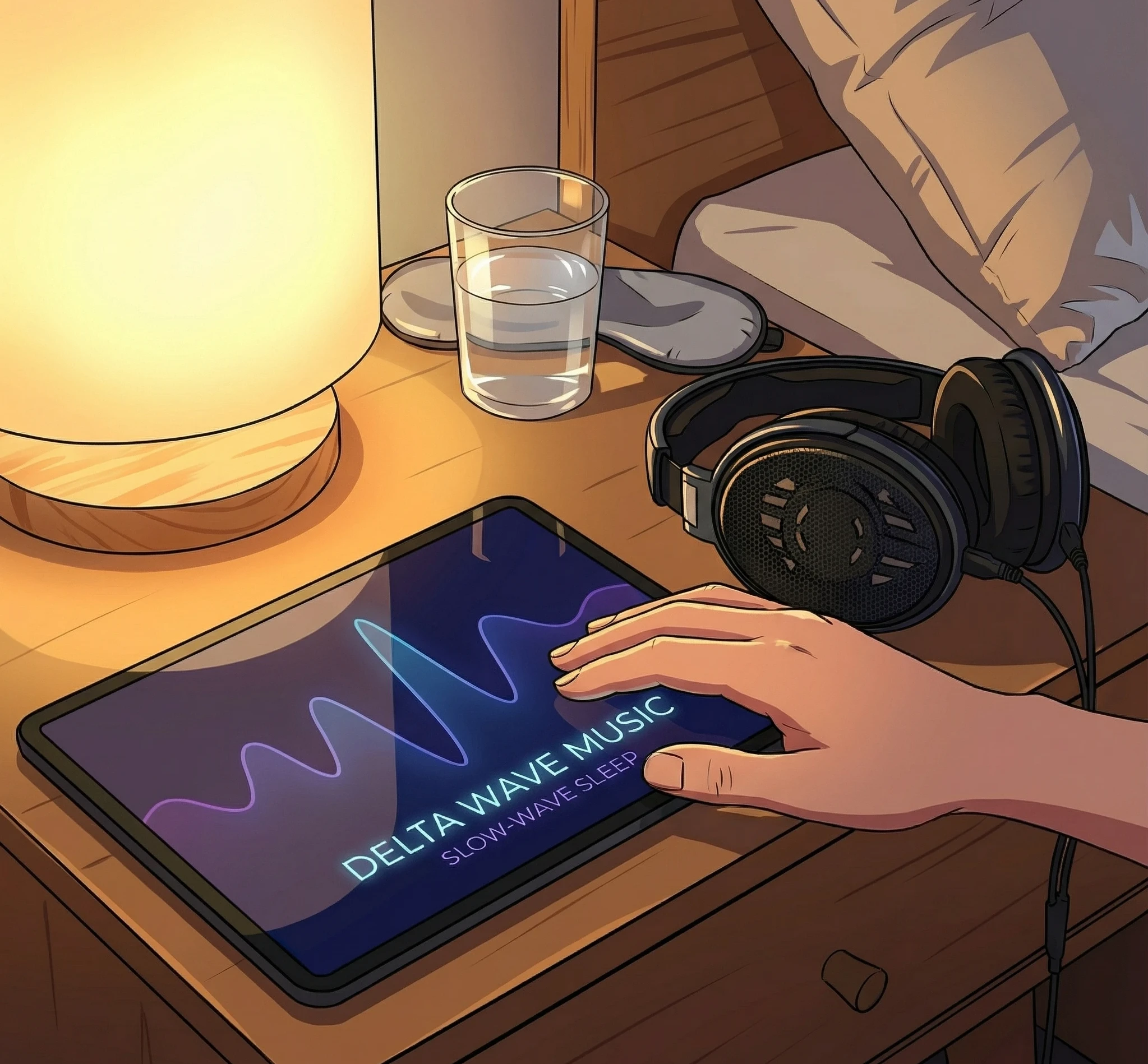
Delta Wave Music: The Science Behind the Melodies
Delta wave music is like your very own sound bath, but with a mission—luring you into that perfect state of deep sleep relaxation. These low-frequency sound waves are designed to sync with your brain’s own delta waves, which are busy doing the hard work during slow-wave sleep.
Crafting delta wave music involves a precise process of creating tones that mimic these natural rhythms. It’s not just about falling asleep, but about staying in that sweet spot of slow-wave sleep longer. When your brainwaves and delta waves vibe together, it sets up this chill harmony that helps settle your mind and body.
Science shows some promising links here. Studies have delved into the impact of delta wave music on sleep, revealing how it can improve sleep quality, extending the duration of slow-wave sleep. That means potentially fewer interruptions through the night and waking up less groggy.
Not all sleep tunes are created equal, though. Delta wave music stands out from other sleepy sounds—like white noise or ocean waves—by specifically targeting these slow brain waves. Other tunes might help you snooze off, but delta wave music amps up the quality of slow-wave sleep, letting you ease into deeper relaxation.
Does Delta Wave Music Really Enhance Sleep Quality?
Many folks have shared stories about how delta wave music has charmed them into amazing sleep, almost like having a lullaby on repeat. Personal experiences range from falling asleep faster to having fewer nighttime awakenings and feeling more refreshed the next morning.
But what does the hard data say? Some small-scale studies highlight significant improvements in sleep patterns among listeners. People who’ve let delta wave tunes be part of their nightly routine often report more restful nights and feeling less fatigued during the day.
That’s not to say it’s a one-size-fits-all solution. The effectiveness of delta wave music can differ out there in the real world. Factors like individual auditory preferences, existing sleep conditions, or even one’s psychological state can all play a role in how well it works.
There’s also a mix of medical opinions to consider. While some researchers advocate for its benefits, others are more cautious, suggesting that while relaxing, delta wave music alone might not tackle serious sleep disorders. However, it’s generally agreed that there’s no harm in giving it a whirl as part of your sleep toolkit.
For the best sleep playlist, building a simple routine can help. Play the tunes at a volume that’s comfortable and soothing. And remember, consistency is key—sometimes it takes a few nights for your body and mind to start syncing up with the beats.
Integrating Delta Wave Music into Your Sleep Rituals
Making delta wave music a part of your bedtime ritual can be a game-changer for better sleep quality. Setting up a relaxing routine is quite easy, and with a few simple steps, you can maximize all the benefits this unique sound therapy has to offer.
Start by creating a calming environment in your bedroom. Dim the lights, maybe light a candle or try some essential oils like lavender for a relaxing aroma. The key is to have a space that whispers ‘chill’ to your senses.
Playing delta wave music is most effective when it’s as natural as possible. Consider using a good set of speakers or a sound system that fills the room with the low frequencies. Some folks find wearable sleep headphones work wonders too. Just make sure the music is soothingly soft and not too loud.
Mixing delta wave music with other relaxation techniques can up your sleep game. Try coupling it with deep breathing exercises or a gentle bedtime stretch routine. This combo can further help cue your body and mind that it’s time for rest.
Experts often recommend starting this routine 30 minutes before you hit the hay. This wind-down period is crucial for transitioning from a day full of hustle to slow-wave bliss. And remember, consistency over time is what helps nurture these deep-sleep habits.
“Thank you for reading this article feel free to leave any comments or questions below in the box and I will get back to you”