
Sleep music has really grown into its own little universe lately, with so many genres out there that it’s become a whole adventure to find what works for each person. I’m the type who’s tried almost everything—from oldschool nature recordings to fancy ambient techno—so I’ve seen how different genres can totally change the vibe in your bedroom and the quality of your sleep. In this article, I’m breaking down the different genres of sleep music, what makes each of them special, and how you can experiment to see what helps you drift off best.
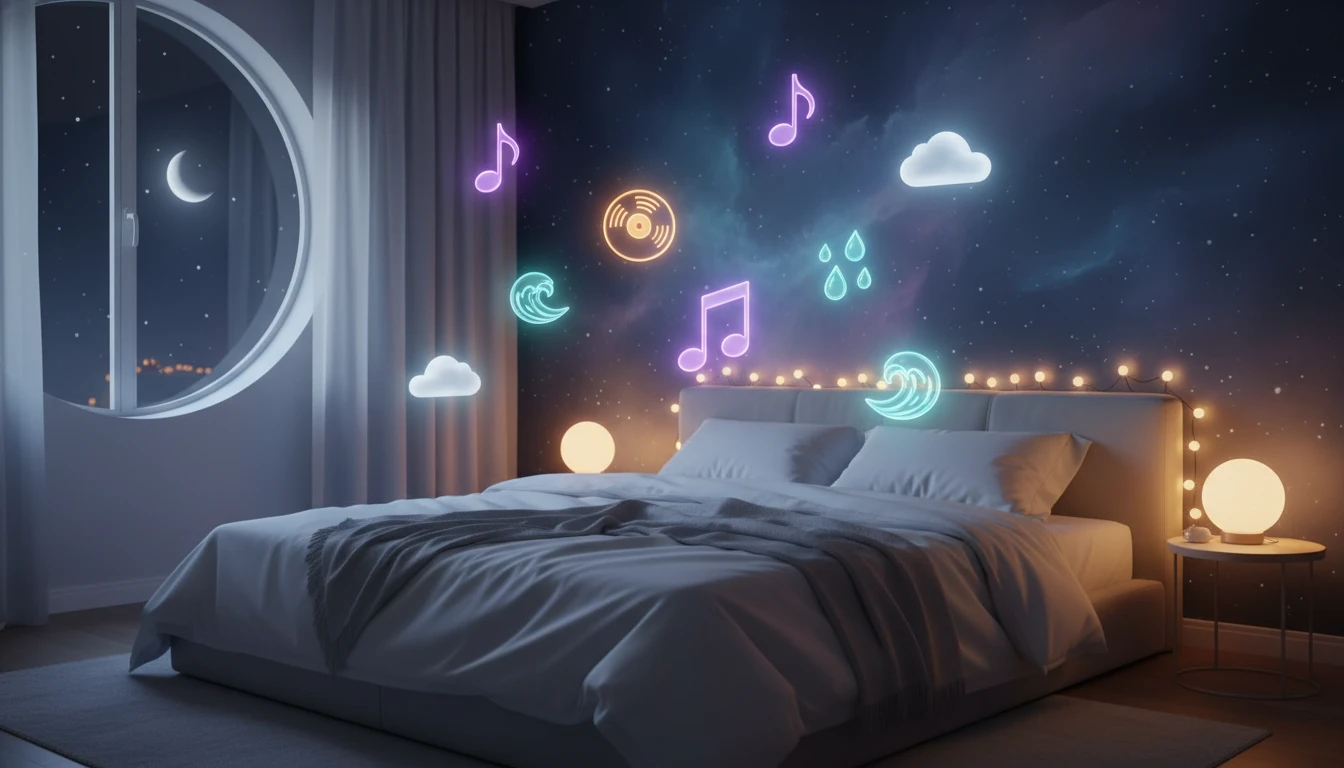
Why Exploring Sleep Music Genres Matters
Sleep music, for me, wasn’t always about just putting on some white noise and hoping for the best. As sleep science has grown, so has the variety of sounds that people use to help themselves relax and get better sleep. Different genres not only cater to unique tastes but also support specific relaxation styles, whether that’s calming anxiety, blocking out ambient noise, or just setting a peaceful mood before bed. There’s a lot of research going into how music affects our bodies and nervous systems, showing real benefits in using the right type of sleep music to help people wind down after a long day. Checking out different genres can be a pretty handy way to find the sound that feels best for your personal sleep adventure.
Main Genres of Sleep Music and Their Effects
When I started paying closer attention to what I was listening to at bedtime, I was surprised by just how many sleep music genres there are. Each genre offers something a little different for your mood, sleep habits, or even your sleep troubles. Here’s a look at some of the more popular types and what you can expect from each.
- Ambient: This genre offers smooth backgrounds. Think gentle synths, no sharp beats, and extended soundscapes that go on for hours. Great for folks who like to zone out and let their minds drift. Ambient tracks are good at calming a racing mind, with artists like Brian Eno almost setting the standard for the style.
- Classical: Some people swear by soft piano pieces, string quartets, or even orchestral suites for sleep. Classical music, especially slowpaced pieces, can have a soothing effect and often helps lower stress. I’ve had pretty good results with Debussy or Satie’s more peaceful works.
- Nature Sounds: Not exactly a music genre, but still one of the top picks for sleeping. Recordings of rain, ocean waves, forests, or even jungle noises help mask disruptive sounds and offer a layer of calm that feels natural and familiar, especially if you’re stuck in a busy city.
- White, Pink, and Brown Noise: These aren’t music in the traditional sense but are popular for sleep playlists. White noise is more staticlike (like a fan), pink noise is softer and deeper (like heavy rain), and brown noise is even lower and richer. They help some people fall asleep by dampening other noises.
- Lofi: Lofi music, with its mellow beats and chill mood, has become super popular for winding down. These tracks often include soft instrumental samples, gentle record crackles, and repetitive patterns, creating an easy, cozy background for falling asleep.
- Instrumental Soundtracks: Some of the most calming music I’ve found comes from soundtracks made for meditation and yoga. These tracks are designed to be nondistracting, with soothing melodies, drones, or chimes.
- Binaural Beats: Binaural mixes are made by playing two slightly different frequencies in each ear, which create a subtle “beat” in your brain. Some people say these can help relax you or even guide your brainwaves into sleepier patterns (though research is mixed).
How to Pick the Right Sleep Music for You
Trying out different genres is kind of like playing musical Goldilocks. Some people, like me, need to experiment a bit before finding what’s just right. Here are some pointers that might help you narrow it down:
- Think About Your Sleep Struggles: If you’re tossing and turning because of stress, ambient or classical tracks are a great place to start. For noise issues, white or pink noise might be the ticket.
- Do a Test Run: Listen to a sample before you try using something for sleep. A piece that sounds relaxing during the day might feel different at night in a dark room.
- Check for Lyrics: For most folks, lyrics can be distracting or even stimulating. Instrumental tracks are generally easier for sleep.
- Match Your Mood: Your music taste matters, too. If you like nature and the outdoors, nature soundscapes can feel especially calming. Prefer a modern vibe? Lofi or soft electronic tracks may work better.
- Try Playlists or Apps: Streaming services like Spotify, Calm, or YouTube have tons of curated playlists for sleep. Some apps even let you build a custom mix of nature sounds, ambiance, and music to suit your needs.
Challenges to Keep in Mind
Just like with any bedtime routine, sleep music comes with a few things to watch out for. Here are some common issues I’ve run into, and what you can do about them.
- Headphone vs. Speaker Use: Sleeping with headphones might be comfortable for some, but for side sleepers like me, it can be a hassle. There are special sleep headphones or even pillow speakers to help with this.
- Volume Levels: Too loud can keep you up or even disrupt your sleep cycles. Try to set music just above the background noise level. Many apps have a fadeout feature that gradually lowers the volume as you fall asleep.
- Music Length: Tracks or playlists that are too short can end abruptly and wake you up, so I always check playlist length before playing it overnight.
- Overstimulation: Some fast or dramatic sections in classical pieces, or abrupt shifts in genre playlists, can snap you out of sleep. Choosing music designed specifically for relaxation is safer for uninterrupted rest.
- Dependency: Some folks worry about getting “addicted” to sleep music. I try to mix things up every few nights or occasionally sleep in silence to avoid relying on it one hundred percent of the time.
Instrumental vs. Nature Sounds: RealWorld Examples
One night, I was having trouble sleeping during a storm, so I switched from my usual piano playlist to looping forest rain recordings. The difference was eyeopening. I fell asleep fast, probably because the rain helped drown out thunder. On other nights when I’ve felt a little anxious, simple, repetitive piano or gentle guitar pieces work wonders. That “backdrop” feeling makes it easier to let thoughts drift away.
Mixing Genres for Best Results
Some people find combining genres is the way to go. Soft ambient layered with distant ocean sounds or light chimes can create a rich environment for drifting off. Many apps let you blend sounds, so you could pair low brown noise with soft humming or birdcalls, and really customize your sleep soundscape. Mixing in some variety helps you avoid getting bored or too used to one sound, which can keep sleep music feeling fresh and effective over time.
Tips for Making the Most Out of Sleep Music
Once you’ve landed on a genre or a playlist that feels right, there are a few tips you can try to get more out of your sleep music routine.
- Consistency Helps: Using the same type of music as part of a regular bedtime routine can train your brain to associate that sound with winding down. Establishing a ritual can make the transition to sleep much smoother.
- Environment Matters: Pair sleep music with a dark, comfy sleep environment. Think blackout curtains, a cool room, and comfy bedding. All of these can give a boost to the effects even more.
- Time Your Playlist: Set your music to play for thirty to ninety minutes, or however long your usual time to fall asleep is. A gentle fadeout can keep you from being startled awake. Try experimenting to find the timing that works best for you.
- Try Guided Sleep Tracks: Besides music, guided meditation or storytelling tracks can help, especially for those who struggle with racing thoughts. These may be found in popular sleep apps and can be a real game changer for some.
Frequently Asked Questions
Here are some of the most common questions I get about sleep music and genres.
Q: Does sleep music really work for everyone?
A: Not always, since everyone’s brain and sleep style is a bit different. Most research shows it can help a lot of people fall asleep faster or improve the quality of sleep. Don’t be afraid to experiment and see what works best for you.
Q: Are there genres of music that should be avoided for sleep?
A: Music with fast tempos, loud dynamics, or distracting lyrics isn’t the best for sleep. It’s better to stick with slower, calmer, and mostly instrumental tracks for the best results.
Q: Can I play sleep music all night safely?
A: Playing music at a low volume overnight usually isn’t harmful, but if you’re using headphones, make sure they’re designed for sleep. For speakers, just keep the volume on the lower side and watch for any disturbances.
Wrapping up on Exploring Sleep Music Genres
There’s a whole world of sleep music genres out there, so there’s no need to settle for something that doesn’t fit your style. Whether you love the peacefulness of classical piano, the natural vibes of rain forests, or the cozy feel of lofi beats, sleep music is all about tuning in to what helps you feel calm and ready for rest. Mixing and matching genres can be fun and might just surprise you with what actually helps you get the best sleep. Sweet dreams and happy checking out!
“I’m confident this article gives you the clarity you need. If you have any questions or feedback, drop them in the comments.”