
Ever found yourself wrapped up in a world of soothing melodies to kiss your insomnia goodbye? You’re not alone. Music and sleep have been best buddies for ages. Think back to grand symphonies that once filled concert halls, or lullabies our grannies hummed to drift us into dreamland. They’ve all been part of this long journey where sound meets snooze.
Delving into the science a bit, music isn’t just about pleasure. It’s got this packed punch of power over our brain waves, vibes that can chill us out or kick us into high gear. When a tune is perfectly paced with gentle rhythms, it slows down your breathing, reduces stress, and even eases your heart rate. It’s like wrapping a warm, melodic blanket around your noggin.
Interestingly enough, music therapy has been in the mix for sleep treatments since way back. Therapists have long realized how certain tunes can ease anxiety and enhance sleep quality. They used it to help soldiers recover from PTSD post-wars. And now it’s a cornerstone in creating tech that enhances our bedtime routine. Music therapy laid down the groundwork for the sleep apps and gadgets rallying around us today.
Over these past few years, jump ahead to our tech-driven world where apps and devices have taken center stage. From white noise generators to music apps specifically designed for relaxation, modern tools are evolving. They take those age-old principles of calming music and combine them with today’s smart technology. So, if you’ve ever plugged in some earbuds for a tranquil nap powered by a digital gadget, you’re tapping into this grand tradition.
Sleep technology is only growing, taking cues and classes from history but adding a layer of brilliance with all that modern tech jazz. We’re standing on the threshold of next-gen sleep tech, where AI and personalization are redefining how we think about, approach, and ultimately enjoy good, quality, restorative sleep.
The Rise of AI-Generated Sleep Sounds
Music therapy opened doors, but AI is throwing them wide open. Picture this: a system so smart it can whip up a playlist tailored just for you, on the fly, reacting to your stress in real time. That’s the deal with AI-generated sleep sounds, the new frontier of sleep tech.
AI’s not new to the music scene, with tools already choreographing scores and producing albums. But when it comes to sleep aids, it’s a game-changer. AI algorithms create soundscapes that can adapt to your unique sleep patterns. Imagine listening to music that gradually softens as your heart rate drops or tweaking tunes to sync with your REM cycles.
Creating these soundscapes isn’t just hitting play on a relaxing track. It’s a complex blend of data science and sonic artistry. AI tunes in to real-time data, like your breathing or movement, and crafts a soothing audio experience out of algorithmically-generated melodies and rhythms.
Real-world examples of AI sleep aids are popping up all over—some apps use AI to blend music with ambient sounds, providing a bespoke audio experience each time you hit the sack. Users often report enhanced sleep quality and a more refreshing wake-up. It’s like having a personal DJ who’s always ready to set the perfect chill vibe.
While still evolving, AI-generated sleep music is already showing promising results in studies and user feedback. If quality sleep is a wild hunt, AI is arming us with tools to make it a whole lot easier. Keep a lookout; these digital maestros are just getting started.
Personalized Sleep Music: Tailoring Rest to Individual Needs
We’ve all got our sleep quirks—some drift off to the sound of ocean waves, while others find comfort in classical tunes. Enter personalized sleep music, the trend that’s singing the song of individual needs and preferences. Imagine having sleep sounds that are as unique as your fingerprint, crafted by the kind of data insights that us regular folks usually don’t get to play with.
At the heart of personalized sleep music is data, loads of it. Smart gadgets, wearables, and apps track every toss, turn, and snore to get an exact picture of your sleep routine. This data feeds into machine learning models that spit out music recommendations suited just for you. It’s like Netflix for naptime, but without those annoying auto plays when you accidentally fall asleep.
The real magic happens when machine learning digs deep into your nocturnal habits. These tools create playlists that adjust based on your sleep duration, heart rate, or stress levels. Imagine a playlist that evolves as you do—maybe it ups the tempo when you’re anxious or mellows out when you’re just about to drift off.
Case studies around personalized sleep music highlight its potential, showcasing improvements in sleep quality and prolonged restfulness. Users have mentioned waking up feeling less groggy, likely because their sleep journey was in tune with the right frequencies all night long. It’s a new way to add control to that elusive good night’s sleep.
While challenges like data privacy and subscription costs exist, the trend is undeniably on the rise. For those constantly fighting restless nights, personalized sleep music offers a custom-made ticket to dreamland. It’s like having your very own sleep concert tailored to help you catch those elusive Zs in style.
Emerging Trends in Sleep Aid Music Technology
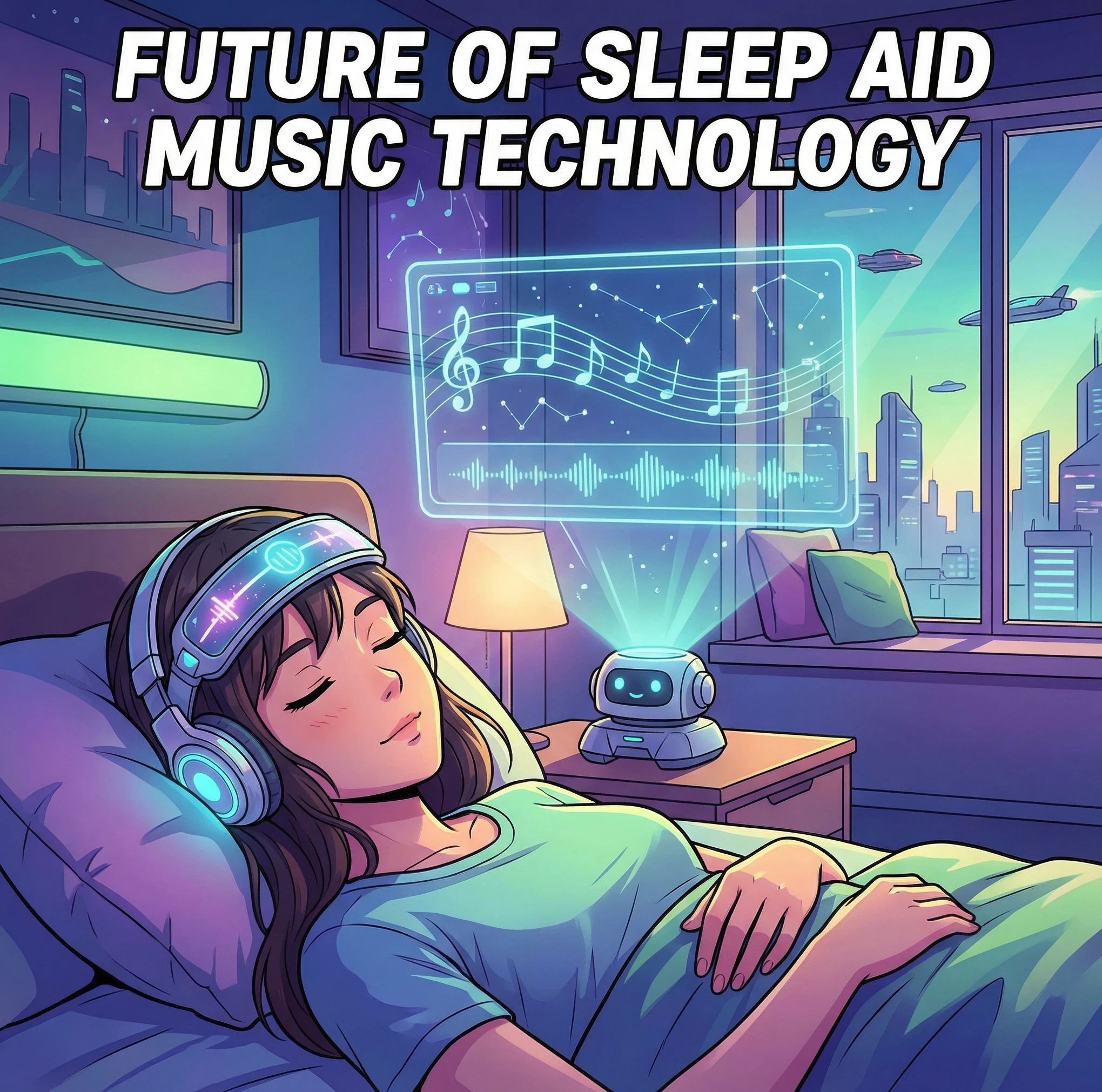
In the rapidly evolving world of sleep technology, the future is as exciting as it is soothing. It’s not just about plugging into your earbuds anymore; now we’re talking about a full sensory experience that harnesses everything from smart home tech to neuroscience.
Wearables have already made their mark, but the future involves even more immersive integrations. Imagine sleeping environments where your music syncs with the room’s temperature, lighting, and even the mattress firmness, all tailored to your specific sleep cycle. Your whole bedroom could potentially turn into a personal sleep sanctuary.
Binaural beats are another rising star, touted for their ability to enhance brain activity conducive to deep sleep. These beats involve playing slightly different sound frequencies in each ear, creating a perceived third tone, which is said to help with relaxation and improve sleep quality.
Sound frequency manipulation is pushing boundaries too. Researchers are experimenting with sound waves that can alter our brain’s electromagnetic activity, fostering an environment where restful sleep thrives. Think of it as the science behind an audio lullaby that aligns with how your brain operates.
The future also seems packed with consumer-driven trends—a greater demand for eco-friendly tech solutions, customizable soundscapes, and apps offering deeper insights into sleep patterns based on sound interactions. As our understanding of sleep science grows, so does the spectrum of innovative solutions tailored to meet our nightly needs.
As these transformations unfold, it’ll be crucial to keep an eye on data privacy and security, ensuring that as we experience better sleep, our personal information remains protected. With a balance between innovation and privacy, sleep aid music technology is set to reimagine how we rest, dream, and recharge.
“I trust you found this article helpful. Feel to leave any comments or questions below in the box”