
Sleep music isn’t just about pushing play on a lullaby. It’s a game-changer for your nighttime routine, designed to calm your senses and guide you into dreamland. Think of it as your secret weapon against restless nights. By using tunes specifically picked to promote relaxation, you’re giving yourself a better chance of falling into a peaceful slumber.
Sleep tracking devices have been a hot topic in wellness circles with their tangible benefits for monitoring sleep patterns. These gadgets keep an eye on your sleep cycles, helping you nail that optimal sleep schedule you’ve been dreaming about. Begrudgingly grunt awake every morning? These devices might show you why. They’re the sleep whisperers you never knew you needed, offering insights that can help tweak your nightly routine.
You’re probably wondering what’s the magic combo here. When you pair these devices with sleep music, it’s like syncing up body and mind. Sound waves meet data-driven insights, creating a full-circle approach to better sleep. Instead of just guessing why last night was a struggle, you can have concrete data showing how different sounds can make or break your snooze time.
Integrating music into your sleep routine, especially when aligned with a scientific understanding of sleep patterns, offers a more personalized experience. It’s not just about getting data but also about implementing changes to become a part of your everyday routine. Sleep music is like a tailored pajama set for your sleep—a perfectly fit, cozy, and uniquely yours.
The Science behind Sleep and Sound
Ever wondered why certain tunes just knock you out? It all comes down to how sound interacts with your brain during different sleep stages. While you’re snoozing, your body cycles through different stages, each playing a crucial role in rest. Sounds, specifically calming music, can help coax your brain into the deeper, restorative phases.
Researchers have long been fascinated by the magic of music on sleep. Studies show that the right sounds can significantly enhance sleep quality, making it easier to drift off and stay slumbering. The science behind it is simple: music lowers your heart rate and blood pressure, creating an optimal environment for relaxation.
Looking for proof? Check out case studies from real people who’ve changed their sleep game with music. They often report falling asleep faster and waking up less during the night. This isn’t just a placebo effect—scientific data backs up these claims.
Let’s not forget the potential health perks. Better sleep means higher energy levels, improved mood, and an overall wellness boost. By tuning into the right melodies, you’re not just investing in a good night’s sleep but also in a healthier, happier you.
Choosing the Perfect Melody: Tailoring Music to Sleep Needs
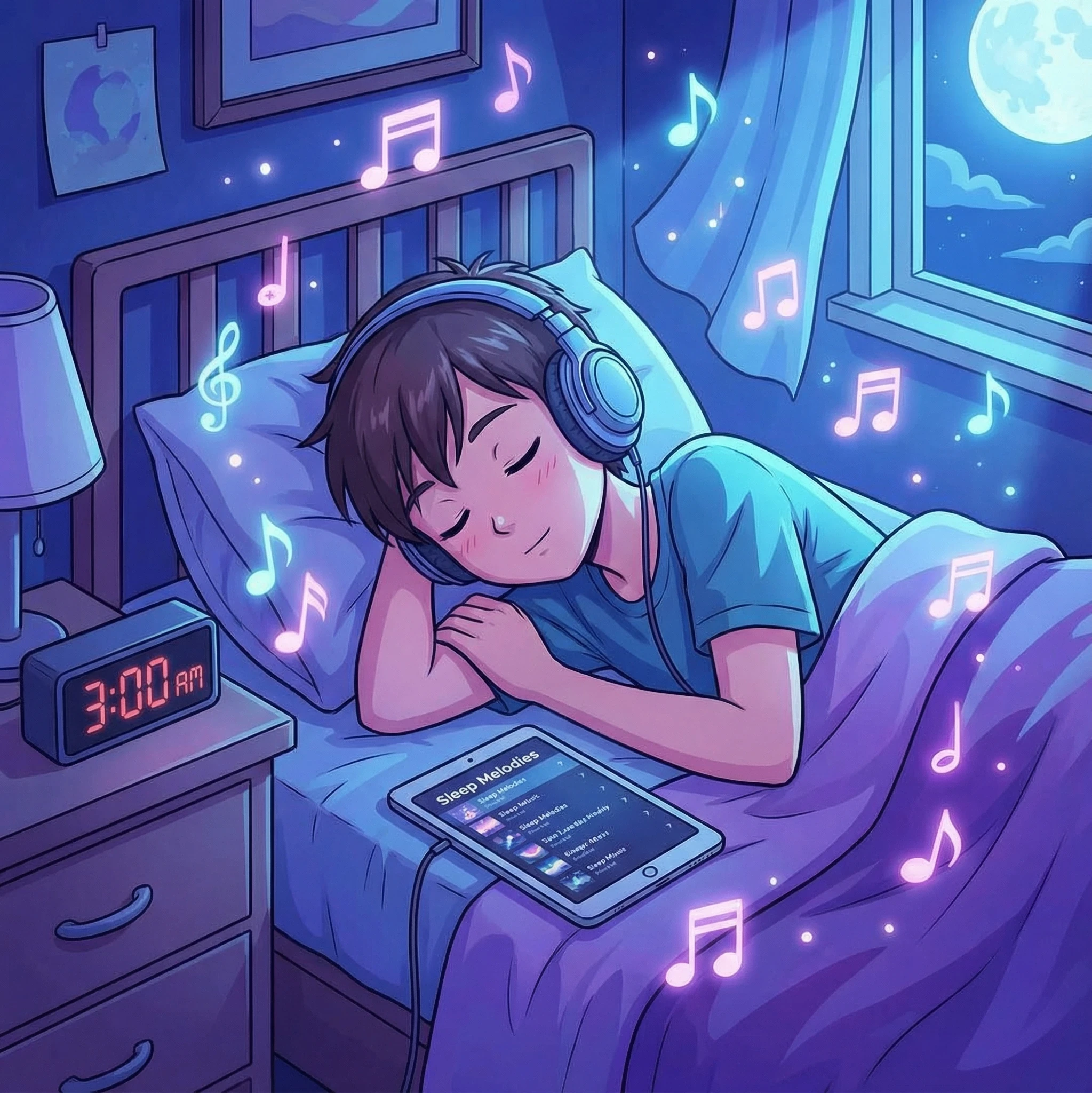
Finding the right music for sleep isn’t a one-size-fits-all situation. Everyone’s music taste and sleep needs are unique, and discovering what works for you can make all the difference.
When selecting tunes, consider the vibe you’re after. Classical music with its flowing melodies can weave a soothing atmosphere around you. Ambient sounds and nature noises bring nature’s tranquility indoors, while binaural beats offer a scientific approach with frequencies that encourage relaxation.
Your sleep tracking device is like your personal sleep coach, feeding back data on your sleep patterns. By analyzing this info, you can tweak your playlist to suit what helps you the most—whether that’s soft guitar strumming, distant thunder, or an orchestra serenade.
Real-life testimonials are gold. Hearing from folk who’ve cracked the code on their perfect sleep setup offers inspiration and practical tips. It’s about creating a personal sleep sanctuary, and often, others’ experiences can light the way.
Remember, tailoring your sleep music is a journey. Keep experimenting, stay patient, and let your track list evolve as your sleep patterns change. Music can be a powerful tool in your sleep toolkit to guide you to consistently restful nights.
Integrating with Technology: How to Make It Work for You
Making technology sing in harmony with your sleep routine doesn’t have to be rocket science. Start by choosing a sleep tracking app or device that supports music integration. Some trackers come with built-in sound libraries, while others let you sync with your existing music apps.
Getting the setup just right might require a bit of tinkering. You’ll need to ensure your devices are in sync, maybe using Bluetooth or Wi-Fi to link them up seamlessly. To optimize your setup, consider placing your device close enough to capture accurate data—like under a pillow or on your bedside table—but far enough away to avoid disruption.
Got concerns? You’re not alone. Common challenges include device compatibility or syncing issues. Often, user forums or customer support are treasure troves of solutions where others have shared their hacks and fixes.
When you combine technology with music, it’s not just about creating a relaxing atmosphere; it’s about crafting an enhanced sleep experience. With the right tools in place, your nighttime routine transforms from merely functional to a harmonized blend of science and sound.
“If this article sparked ideas or questions, share them in the comments—I actively respond and engage.”