
Ever tossed and turned in bed, wishing for a bit of peace and quiet? Sleep disorders mess with more than just your dreams—they hit your health hard. From insomnia to sleep apnea, these issues crash your party without an invite.
So how do sleeping pills fit into this? They’re like a quick fix at the hardware store—it works, but you might need more than duct tape. Medications tackle sleep disorders by tweaking the chemicals in your brain that control sleep. They push your neurons to hit snooze, but there’s always a catch, like side effects or getting hooked.
Now, cue the soundtracks of the universe. Listening to music can chill you out like a good massage. It lowers your heart rate and blood pressure, setting the stage for dreamland. Music doesn’t just flood your ears; it soothes your mind and body in a way that pills just can’t. Science says it’s like hitting a natural mute button on stress and anxiety.
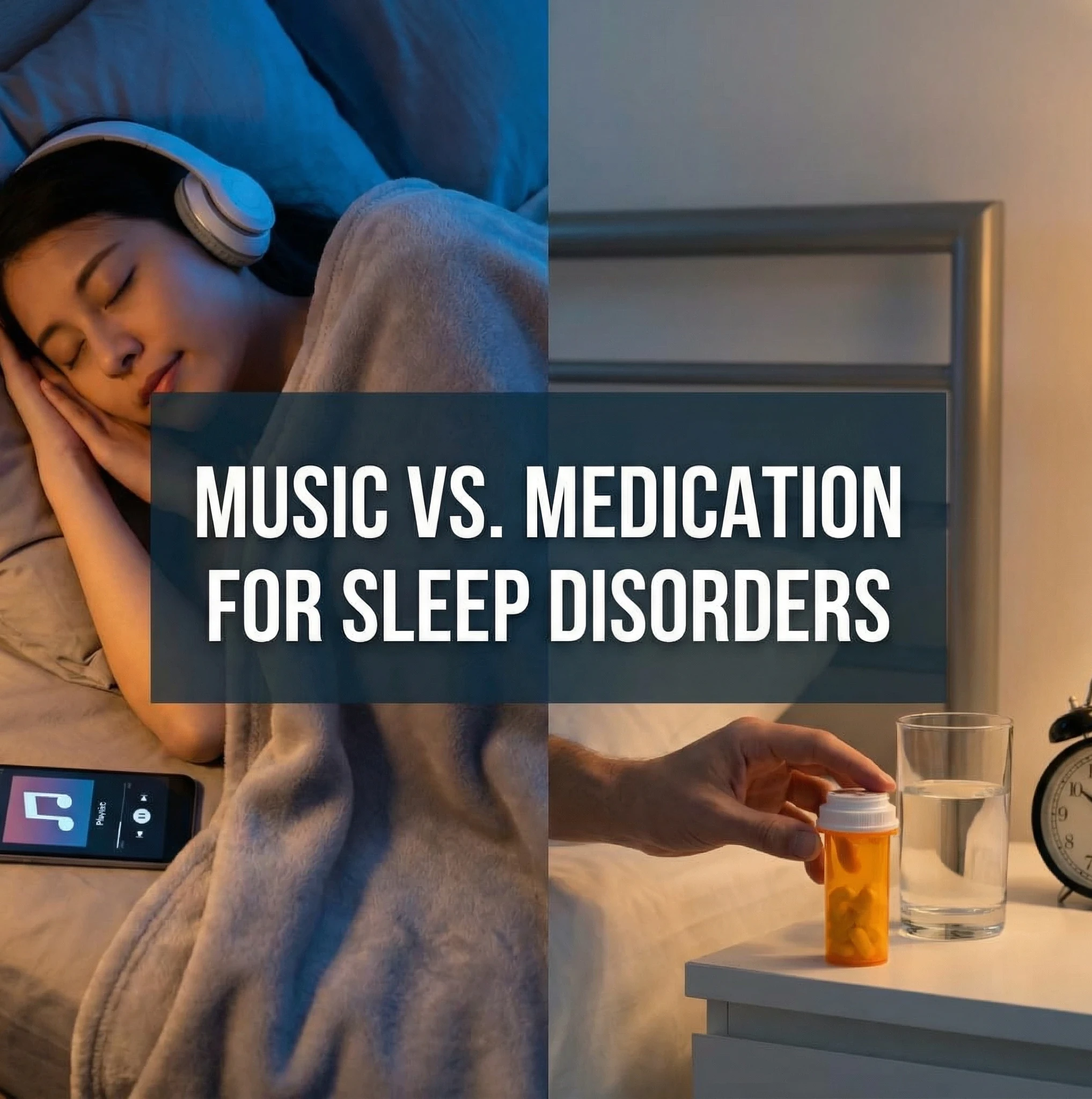
When it comes to catching those elusive Zzz’s, music and medication face off in an epic showdown. While pills bring the force of pharmaceuticals, music gently slides in with holistic vibes and relaxation perks. Fun fact: Studies backed by researchers suggest that music can be as effective, or even more so, at improving sleep quality than some medications.
Harmony and Rest: How Music Aids Sleep Disorders
Music isn’t just a bunch of sounds mashed together. It can actually be your bedtime superhero. There’s evidence backing this up, showing music’s ability to whisk you away to la-la land with ease. Researchers have noted that those tuning into calming tunes nod off faster and wake up less during the night.
But what makes music the bedtime buddy you didn’t know you needed? It’s all about coaxing your mind and body into the ultimate chill mode. Listening to your favorite tracks can melt away the day’s stress and anxiety, putting your brain in the right groove for sleep. It’s like a warm blanket straight from the dryer.
People from all walks of life share stories about music helping them get some quality shut-eye without popping a pill. They’ve found music to be a cozy alternative, echoing its power to soothe stress and create a serene snooze environment.
Now, to tackle the question: Does music actually help with sleep disorders? The answer is yes, for many people it does. Of course, it’s not a cure-all. But incorporating music into your nighttime routine could be a move in the right direction, especially for those of us juggling stressful days and restless nights.
Weighing the Options: Pros and Cons of Each Approach
When you’re stuck between counting sheep and soundtracks or pills, it helps to lay out the good and the not-so-good. Music as a sleep aid brings loads of perks. It’s safe, non-dependent, and let’s face it, way more relaxing than knocking back a pill. The biggest win? Zero side effects, which means no morning grogginess or other surprises.
But music isn’t without its limitations. While it’s great for a jittery mind, severe sleep disorders might need a bit more firepower. Some folks might find that their musical taste keeps them more awake and dancing than sleeping!
On the flip side, medication offers predictability and quick sleep onset. Yet, there’s often a downside—like side effects or the risk of dependency—requiring a balance and careful consideration. Some users might find themselves needing higher doses over time, not to mention the impact on your wallet.
Cultural and personal preferences also shape how we view these sleep aids. In some cultures, sound healing and music therapy are long-standing traditions. Others lean towards the trust and familiarity of scientific and pharmaceutical advances.
Ultimately, what matters is what works for you. If you’re more into natural rhythms and gentle solutions, music could be the way to go. Conversely, if your sleep woes are heavier and need the heavy artillery, medication could be worth discussing with your healthcare provider.
Choosing the Right Path: Recommendations for Better Sleep
Tuning into music for a more relaxed and restorative night doesn’t have to be complicated. Try setting the scene with calming playlists or nature sounds as part of your bedtime ritual. It’s about finding that sweet spot where the notes lull you to sleep just like your favorite lullaby did when you were little.
For those grappling with more severe sleep issues, it might be time to talk with a doctor about medication options. Sleep disorders can deeply impact your life, and a tailored medical approach might provide relief when music alone isn’t cutting it.
Everyone’s needs and responses vary, which is why personalizing your approach to sleep is critical. Experiment with different genres or even guided sleep meditations to discover what hits your sleep note. Maybe it’s classical, or maybe it’s the waves crashing on a distant shore.
So, what’s the best treatment for sleep disorders? It’s a personal journey. If music enhances your sleep, great! If a bit of help from medication is needed, that’s valid too. The goal is to wake up refreshed and ready to tackle everything from spreadsheets to spontaneous adventures, every single day.
“Feel free to leave to any comments or questions for this article.”