
Ever found yourself tossing and turning at night, unable to drift into that much-needed slumber? You’re not alone. Sleep is vital for both our mental and physical wellbeing, but when disruption creeps in, the effects can be pretty harsh. Irritability, poor concentration, weakened immune function—they’re all part and parcel of sleep deprivation woes.
So, how can music step in to help? Turns out, it’s got more up its sleeve than you might think. Music interacts with the subconscious in ways that can ease us into a state of relaxation. It’s like giving your mind a gentle nudge to let go of the day’s stresses—a key factor in sliding into a restful night.
Plenty of research backs up the claim that music can improve sleep quality. A 2018 study found that participants who listened to calming music before bed experienced better sleep patterns and even had a good mood boost upon waking. It’s not magic—it’s science at work through melody and rhythm.
This harmony between music and sleep creates a sort of bridge from awake to rest. Your body tunes into the rhythmic patterns, slowing heart rate, stabilizing breathing, and reducing stress hormones. Suddenly, that choppy sleep cycle finds its way to smooth sailing, leading to a refreshed waking life.
The Healing Power of Different Musical Genres
Music isn’t just music. Different genres carry unique vibes and effects on our brains. For sleep seekers, certain kinds hit the sweet spot better than others. Classical music with its gentle strings and piano can wrap you in a calm cocoon, soothing those nerves right before bed. Think Mozart or Chopin—perfect to unwind to.
Ambient and nature sounds are like nature walks for your brain. The sound of rustling leaves, babbling brooks, or a soft drizzle can mentally transport you to a peaceful place, easing your nightly journey into sleep. These tunes trick your brain into thinking you’re in a serene park rather than a bustling city room.
There’s also binaural beats and frequency-focused music, working in a different way with specific tones that synchronize brainwaves. It’s kind of like a spa day for your mind. They can promote deep relaxation or alertness, depending on the frequency used, which helps fine-tune your sleep cycle.
Personal taste plays a role too. What calms one person might not work for another. It’s important to experiment, maybe even curate a playlist that feels just right for your tastes. And remember, less can be more—sometimes a repetitive, gentle melody does the trick without overwhelming the senses.
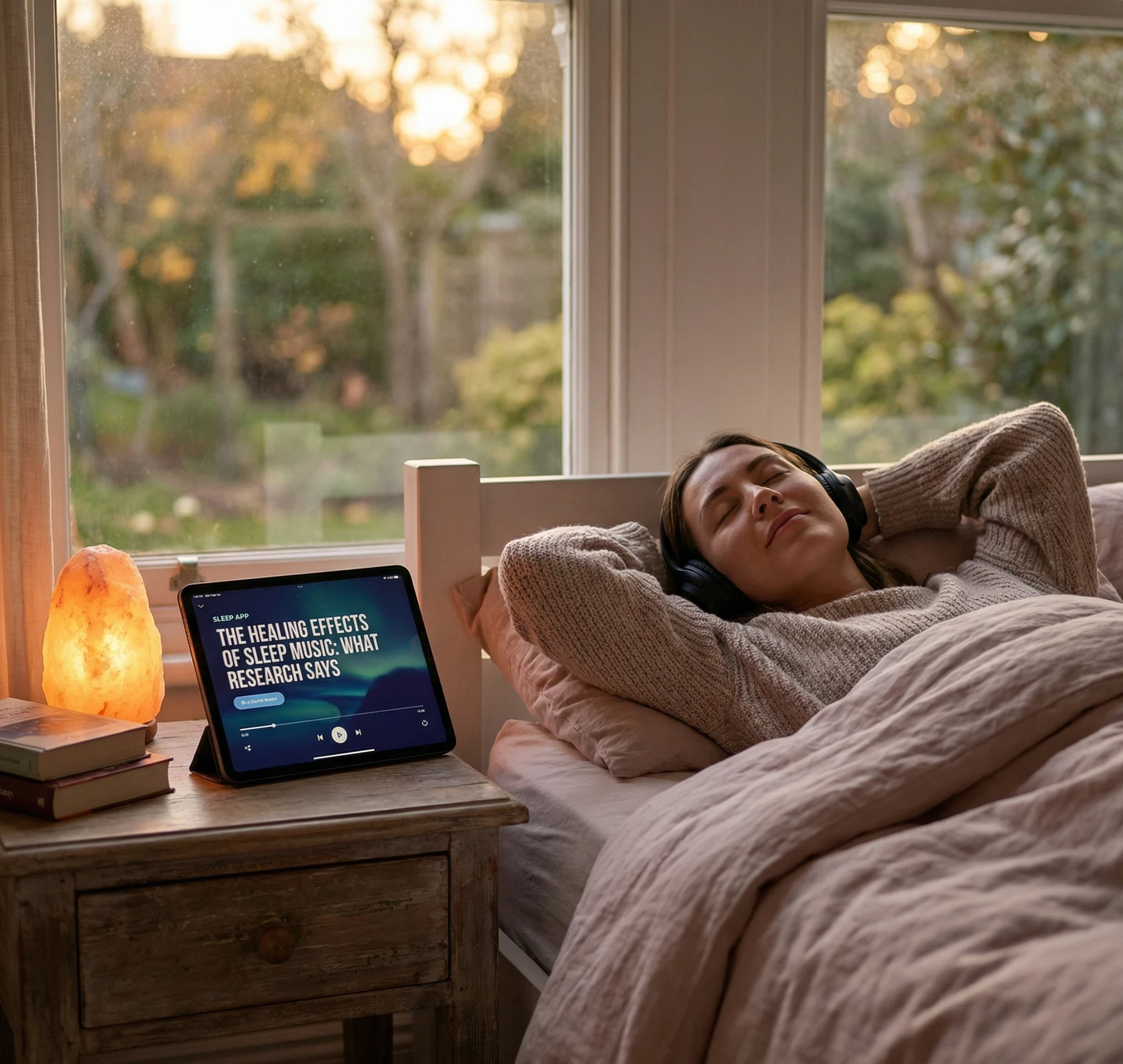
Practical Tips for Integrating Sleep Music Into Your Nightly Routine
Crafting a sleep-friendly environment isn’t just about tuning into any music and hoping for the best. Start with your room setup. Opt for a decent speaker or comfortable headphones that don’t compromise on sound quality, but are still practical for sleeping.
Volume matters—too loud and it might ruin the relaxing vibe, too soft and it might not have an impact. Aim for a happy medium that’s gentle enough to lull you without being intrusive.
Building your own sleep playlist can be a rewarding task. Look for tracks that resonate with you personally, but focus on slower tempos and softer melodies to really harness that relaxing effect.
Timing makes a difference too. Introduce the music a bit before bedtime as part of your wind-down routine rather than right as you hit the sack. This transition period helps your mind and body gradually ease out of the day’s hustle and into tranquility.
Stay clear of erratic sounds and abrupt changes in music, as they can jolt you back into wakefulness. Smooth, consistent audio is your best bet for maintaining that peaceful transition into sleep.
Looking Forward: The Future of Sleep Therapy and Music
Exploring the future of sleep therapy through music unveils some exciting technological developments aimed at enhancing rest. Innovations like personalized music applications use algorithms to tailor the most effective sleep tracks based on your unique sleep patterns and preferences.
Experts in music therapy and neuroscience continue to make strides by integrating their insights into new therapies. These advances could lead to more efficient use of music in treating sleep disorders, making non-pharmacological interventions more accessible.
Imagine a world where sleep music becomes a core part of mental health and wellness routines everywhere. We’re gradually moving towards greater public awareness, and many are already embracing music as a key tool for better sleep. It’s not just about catching more Zs—it’s about quality rest that rejuvenates and heals.
Engagement from the public in ongoing research can help shape future innovations. Researchers are keen on understanding broader effects and continually improving methodologies. Everyone plays a part, whether by participating in studies or simply sharing personal experiences, contributing to a collective understanding of music’s role in sleep therapy.
Feel to leave a comment or question in the comments box below