
Sleep music isn’t some new-age fad; it has a storied past that’s worth exploring. The concept has roots in ancient civilizations where sound and rhythm were used to calm the mind and body. These practices have evolved, tapping into modern technology to offer an accessible remedy for the sleep-deprived.
So, what exactly is sleep music? It’s music that’s specifically composed or curated to help with sleep, tapping into calming frequencies and soothing rhythms that foster relaxation. Unlike your regular playlist, sleep music is all about the serene, the gentle, and the tranquil, designed to ease your brain into that sweet spot between awake and dreamland.
The big question is, how does it all work? The answer lies in the way music interacts with our brainwaves, particularly those associated with relaxation and deep sleep. When you listen to sleep music, your brain’s electrical activity can sync up, promoting a state designed for rest and recovery. Think of it like tuning a radio to the perfect station where everything just clicks.
Did you know that sleep music affects your brain differently than your favorite pop hits? While upbeat tunes might get you moving, sleep music is crafted to slow down your neural processes. It’s the kind of music that wraps around your thoughts like a soft blanket, providing a gentle transition from the hustle of the day to peaceful slumber – a real game-changer for anyone who’s used to lying awake for hours.
Sleep Music and Mental Health: Unveiling the Connection
Ever wondered how the gentle strains of music drifting into your ears seem to melt away stress? It’s a curious marvel, the way sleep music can impact mental health. Let’s dig into how this soothing auditory experience serves as an ally against the pressures of modern living.
Stress and mental health often go hand in hand. The demands of daily life can make the mind feel like it’s running a marathon. Here’s where sleep music steps in, creating a tranquil sanctuary where your mind can catch a much-needed breath. The calming sounds act as an antidote to stress, easing the constant buzzing in your head.
Research supports what many have found intuitively true: sleep music can improve mental wellness. Studies show a reduction in stress levels and improvements in mood when sleep music is part of the routine. It’s no surprise that mental health professionals are recommending music therapy more and more as a non-invasive way to tackle mental health issues.
Picture this: a quiet room, low lighting, and the subtle notes of calming music. It’s not just about relaxation; it’s therapy. Insights from therapists reveal that incorporating sleep music into mental health treatments often complements traditional methods, offering a soft nudge towards mindfulness and calmness. Sleep music has the potential to transform a chaotic mind into a peaceful one, providing a gentle reminder that serenity is attainable, one note at a time.
Battling Anxiety: The Tranquil Power of Sleep Music
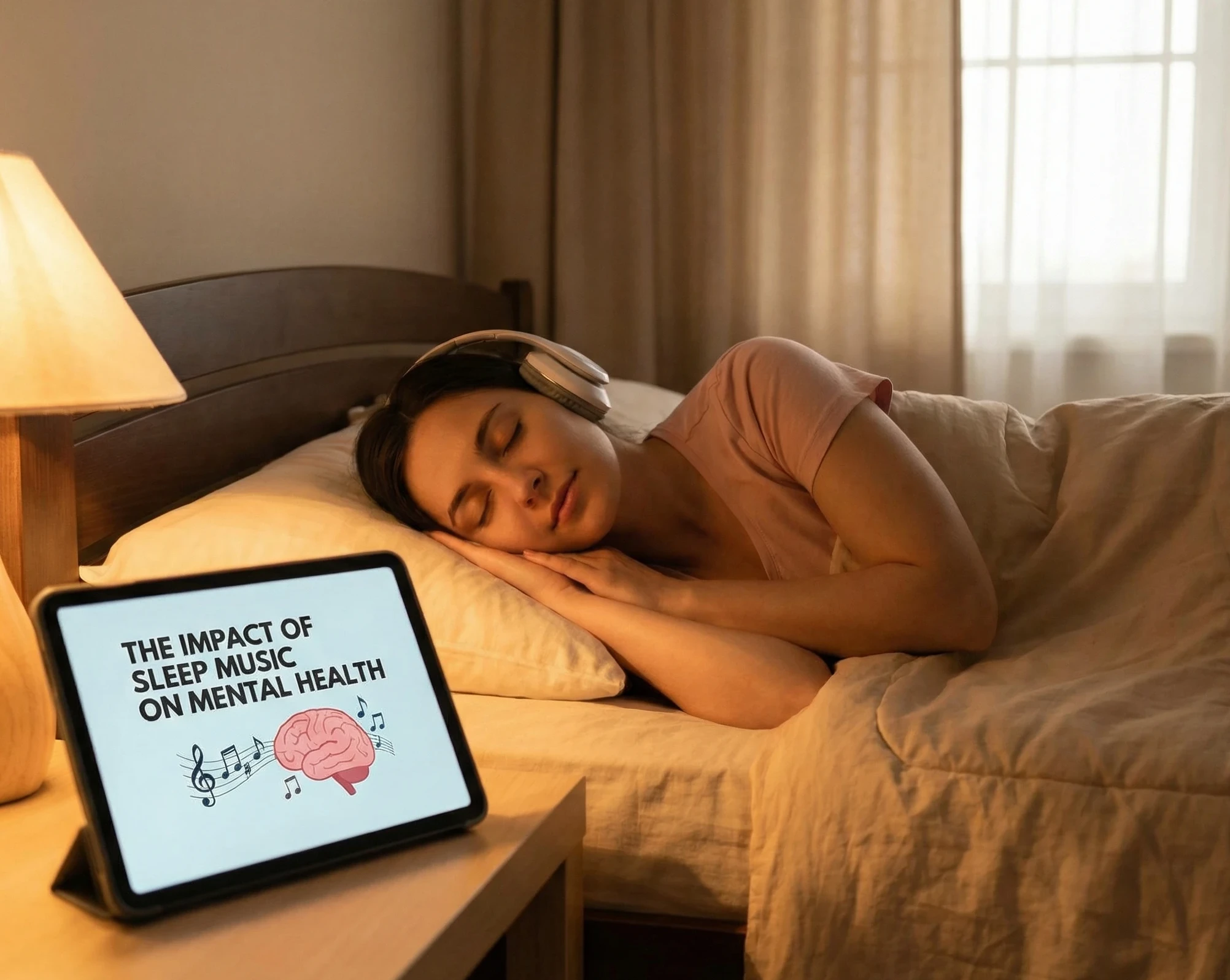
Anxiety can feel like an unwelcome guest, barging in when least expected. It often brings along a range of symptoms like racing thoughts, restlessness, and that constant feeling of being on edge. But here’s a hopeful note: sleep music can play a significant role in easing these anxious vibes.
Why does sleep music work so well against anxiety? It’s all about engaging the parasympathetic nervous system, which helps calm the fight-or-flight response that anxiety often provokes. The gentle tunes guide the mind into a calmer state, smoothing out jitters and inviting relaxation. It’s like a pause button for anxiety, momentarily suspending its intrusions.
Practical experiences tell us the full story. Case studies show individuals who’ve embraced sleep music notice a marked decrease in anxiety symptoms. This isn’t just anecdotal; it’s backed by people who’ve walked the road and found relief. Stories from those benefiting highlight the powerful shift from tension to tranquility, soundtracked by soothing melodies.
Thinking about incorporating sleep music into your life? Start simple. Plug in some calming tracks as you wind down in the evening or during a stressful moment in the day. Establishing a routine with this kind of music can break the cycle of anxiety. Remember, the key is consistency. By making sleep music a staple in your daily or nightly routine, you’re setting the stage for a more relaxed, anxiety-free existence.
Optimizing Your Sleep Music Routine: Practical Tips for Enhanced Well-being
When it comes to creating a sleep music routine, one size doesn’t fit all. The key to reaping the benefits of sleep music lies in personalization. Start by selecting tunes that appeal to your sense of calm. Whether it’s nature sounds, gentle strings, or deep-toned binaural beats, tune into what makes you feel relaxed and at ease.
Creating the right environment is just as important as the music itself. Dim the lights, turn off those pesky phone notifications, and maybe even light a candle or two. Your environment should reflect comfort, free from distractions. The goal is to establish a sacred space dedicated to relaxation and well-being.
Thanks to technology, accessing sleep music is easier than ever. There are plenty of apps and streaming options out there, offering endless playlists and customizable options. Whether you’re using a smartphone, a tablet, or even a smart speaker, make sure your device is set up for an uninterrupted listening experience.
Consistency is your best friend in crafting a sleep music routine. Just like brushing your teeth, turning on your sleep tunes should become a part of your daily ritual. The more routinely you engage with your sleep music, the greater the potential benefits for your mental health. Adjusting to these new habits might take a little time, but the promise of improved well-being is worth the effort.
“You now have everything you need to get started—feel free to ask questions or share your perspective in the comments.”