
Artificial Intelligence has been shaking up the music world in ways that were unimaginable a decade ago. It’s like having a virtual music genius capable of not only understanding but also creating amazing tunes. Who would’ve thought a computer could whip up tracks that get stuck in your head? But that’s exactly where we are.
The journey of AI in music began with simple beat-matching software and has rapidly evolved into something much more complex and artistically profound. Programs can now analyze thousands of songs to identify patterns and vibes that work universally. This breakthrough has allowed AI to stretch its wings across various genres, from pop hits to intricate classical compositions.
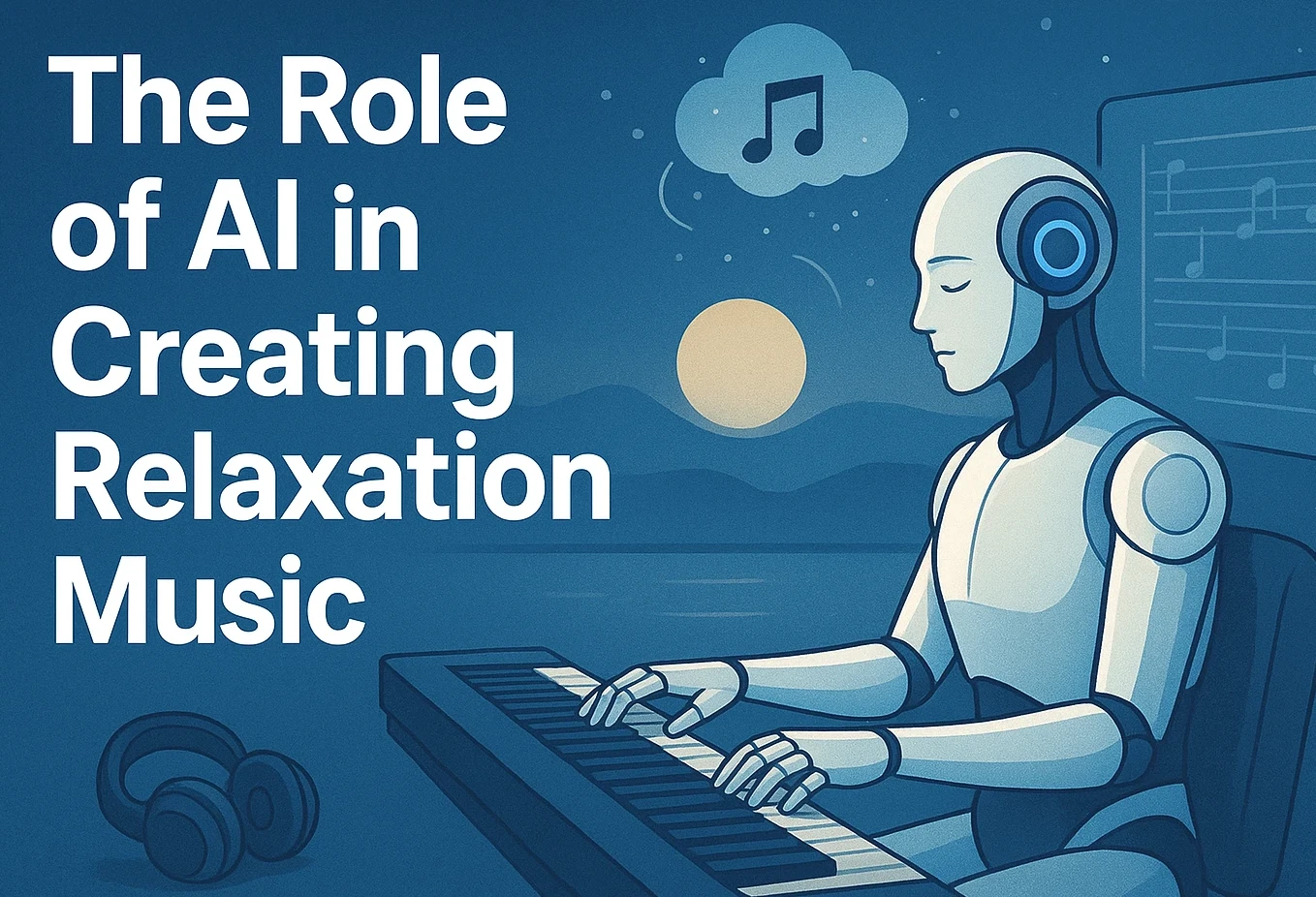
As AI continues to evolve, relaxation music has become one of its fascinating playgrounds. Why relaxation music, you ask? Well, it’s all about tinkering with tones and frequencies to create sounds that soothe the listener, bringing a sense of calm and serenity. If you’ve ever melted into a peaceful trance listening to a track, there’s a good chance AI had a hand in crafting those blissful sounds.
The magic of AI in the creation of relaxation music lies in its ability to mimic and even enhance human creativity. These programs can combine various elements such as nature sounds, ambient noise, and instrumental tunes to design what some might call a symphony for the soul. It’s personalization at its finest—tailored musical experiences helping people unwind and rejuvenate.
AI’s Contribution To Relaxation Music
Imagine having a soundtrack that’s as unique as your fingerprint. AI takes personalization to a whole new level when it comes to creating relaxation music. These intelligent systems dive into countless tracks to find the perfect combination of sounds that vibe with your tastes—whether that’s ocean waves, gentle piano, or bird songs.
The toolbox for AI musicians includes some pretty advanced tech. We’re talking about deep learning algorithms and neural networks that sift through massive databases of existing music. They analyze nuances like tempo, rhythm, and pitch to whip up tunes that aren’t just soothing but also captivating.
Not sold yet on AI’s musical chops? There’s plenty of evidence that AI-generated music can go toe-to-toe with human compositions. For example, some relaxation playlists you stream online are crafted entirely by AI. Folks have reported feeling more relaxed or focused, proving that these tracks do their job well.
AI’s ability to learn and adapt is its secret weapon. The music it creates can evolve with your needs. Picture a playlist that changes as you do. If you start meditating every day, the AI can tweak the music to sharpen your concentration or deepen your sense of peace. It’s like having a personal DJ who gets you on a spiritual level.
Wrapping all this techy magic together, AI isn’t just helping make music—it’s redefining what music can be. The freedom to experiment and innovate is broader than ever, letting us explore and enjoy our own customized sound worlds.
Interplay Between AI And Music Therapy
Music therapy isn’t just a bunch of feel-good tunes. It’s a legit therapeutic approach where music aids in healing both the mind and body. Now, throw artificial intelligence into the mix, and you’ve got a game-changer.
AI’s role in music therapy is growing. It’s like having a tool that can tailor therapeutic music experiences down to the last detail. Imagine an AI determining which songs most effectively lower anxiety or depression levels—talk about hitting the right notes!
There have been amazing success stories where AI assisted in music therapy sessions, showing real improvements in mental wellness. For example, personalized music playlists created by AI have helped kids with autism and veterans with PTSD, offering comfort and emotional support.
What makes AI such a valuable ally in music therapy is its ability to analyze data quickly. Therapists can input details about a patient’s condition or mood, and AI can recommend music that specifically targets those areas, making each session uniquely beneficial.
While traditional therapists will always have an irreplaceable role, AI is opening doors to new possibilities. It allows for experimentation beyond what humans alone can achieve, making therapy more accessible and precise.
Future Prospects and Ethical Considerations
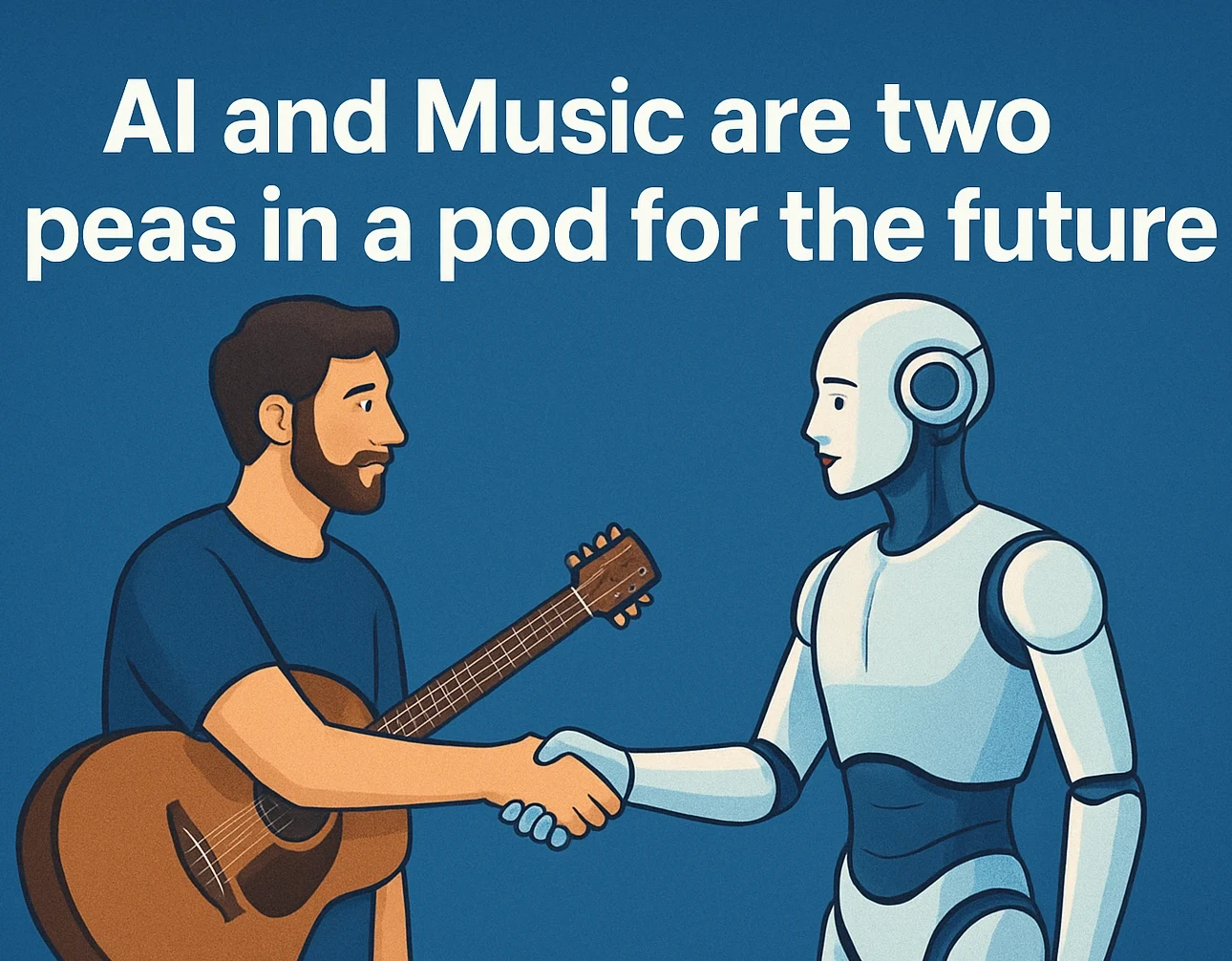
AI and music are like two peas in a pod, and looking at how they might evolve together is pretty exciting. If you’ve ever wondered what the future holds, get ready for even more personalized and sophisticated tunes. As technology advances, the way we interact with music is bound to become more intuitive, accessible, and, frankly, mind-blowing.
AI-driven music trends are leaning toward creating fully interactive experiences. Imagine a song that reacts to your real-time mood or environment! We’re heading toward music that isn’t just played—it’s experienced.
But with great power comes responsibility, right? The ethical considerations around AI in music are crucial to think about. There are concerns around copyright and ownership—whose music is it, anyway, when an AI creates it? Navigating these waters will require a balance between innovation and respect for human creators.
There’s also the question of data usage and privacy. As AI gets more integrated into our personal music choices, what happens to the data collected about our moods and preferences? Ensuring privacy while benefiting from AI will be key to fostering trust.
The possibilities are endless, but they must be approached thoughtfully. Musicians, technologists, and audiences all have a say in shaping this brave new world. After all, at its heart, music is about connection. Ensuring that this connection remains meaningful as technology grows will be crucial.
“I’m confident this article gives you the clarity you need. If you have any questions or feedback, drop them in the comments.“