
Music’s got this wild superpower. It can transport you to a whole different place without you ever leaving your chair. From chill beats to calming melodies, music weaves through our lives, soothing our minds and souls. So, what’s happening on the inside when tunes help us unwind? Let’s dig in.
Throughout history, cultures around the globe have tapped into music’s calming essence. Think of ancient shamans or even classical composers who understood music’s ability to soothe the soul. Even today, grabbing your headphones and playing that go-to mellow track can turn a hectic day into a more manageable one.
Now, about that scientific proof! Yep, researchers have been diving into this for a while now. Multiple studies show that music isn’t just a feel-good hobby. It actually impacts our brain waves, reducing stress and lowering heart rate and blood pressure. The magic lies in how music triggers our body’s relaxation response, a term for what happens when we chill out.
One fascinating study found that music, especially slow, flowing melodies, can decrease levels of cortisol, a stress hormone. It’s like a musical massage for the brain! By focusing on these calming tunes, the body’s stress reaction does a total 180, bringing peace and tranquility.
Music can actually help reset our systems. Whether it’s flutes or pianos or whatever you’re into, when music vibes with your spirit, it encourages your body to create a calming chemical concoction. So next time stress hits, remember there’s a song somewhere that might just be the ticket to a serene escape.
Delving into Science: How Music Works on Our Brains

Music isn’t just fun to jam to, it’s like a brain workout. When you listen to tunes, your brain lights up like a fireworks display. But how does all that translate to relaxation? The moment your favorite song hits, your brain kicks into gear. It starts releasing chemicals like dopamine and serotonin, the same ones that boost your mood and make you feel good.
There’s a whole host of neural pathways that get activated when you’re vibing with music. These connections are what help break down stress and promote relaxation. Music engages the brain in such a complete way, it’s like a mental spa day. But does music take up all your brain space while it’s playing? Nope, not quite. While music stimulates various parts of the brain, it doesn’t engage every nook and cranny. Just enough to get those good vibes going.
That said, certain musical experiences can make it feel like every part of your brain is on overdrive. Think of it as a mental workout where you’re strengthening different neural areas over time. It’s like your brain is doing reps in a gym, building more connections and even altering its structure in the long term. Scientists have found that regular musical experiences can lead to increased brain plasticity. It’s a fancy way of saying your brain can better adapt to stressors.
Music impacts emotional regulation too. If you’ve ever cried during a sad song or felt motivated by a power anthem, you know what I mean. By connecting with the emotional part of the brain, music can change your mood in an instant. Maybe it’s time to curate some playlists tailored to different needs—pump up ones for motivation, chill ones for unwinding.
So, next time you pop in those earbuds, appreciate how music’s working behind the scenes, giving your brain a little boost without you even having to try. It’s neuroscience magic in action!
Exploring Musical Techniques: The 3-Minute Rule and 528Hz
Some say patience is a virtue, and guess what, music comes with its own version of it too! The ‘3-minute rule in music’ is all about giving a track some time to work its magic. Often, music takes about three minutes to allow your brain to sync up and fully engage with it. So next time you hit play, resist the urge to skip, and let the rhythm take control.
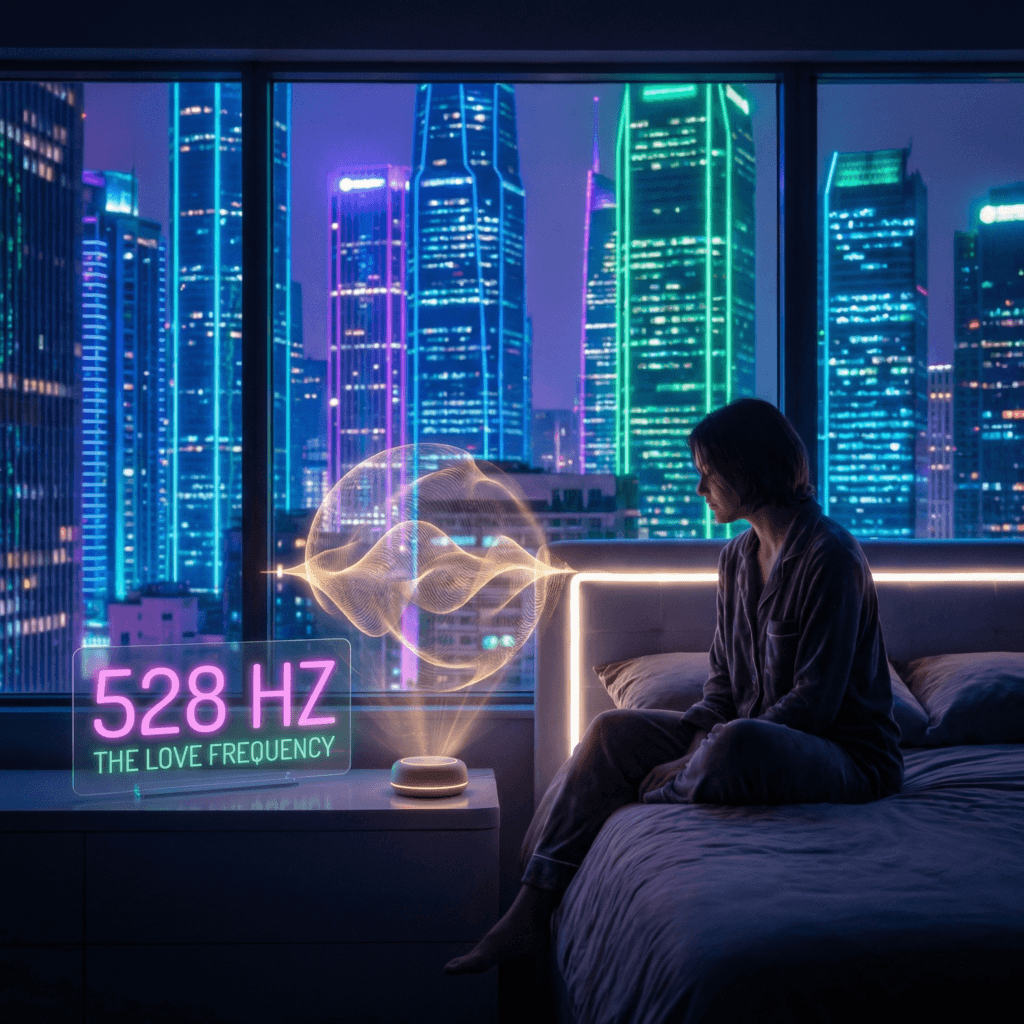
Ever heard of the frequency 528Hz? It’s often dubbed as the ‘Love Frequency,’ and it’s said to bring harmony and healing. This sound healing technique is rooted in the idea that certain frequencies can promote well-being by resonating with our body’s natural frequencies. Some find it brings a sense of peace, helping you float above everyday worries.
But does the science back it up? Well, it’s a mixed bag. There aren’t heaps of studies to shout about 528Hz’s mystical properties, but some people swear by its calming effects. This highlights a wider truth: music and sound effects can be deeply personal. What works for one person might just be another person’s disharmony.
Different frequencies and sounds tap into our genetic memory—kinda like how a song can remind you of a specific time and place. With 528Hz, listeners report feelings ranging from tranquility to rejuvenation. It could be worth giving it a go and seeing how it feels for you.
Navigating your musical journey is about experimenting. You don’t have to just listen out for frequencies; try mixing it up with different genres and see what aligns with your vibes. Whether it’s the hum of 528Hz or the beats of your favorite pop song, finding that perfect soundscape could be one playlist away.
Music as Therapy: Tackling Anxiety and Stress
Music therapy is popping up everywhere as a solid way to deal with anxiety and stress. It’s not just about jamming out; it’s an actual therapeutic approach that taps into the power of sound to help calm the mind. For those dealing with anxiety, this might be a go-to tool in their wellness toolkit.
Ever heard of the ‘3-3-3 anxiety rule’? It’s a simple technique where you start by naming three things you see, three things you can hear, and then move three parts of your body. Music can play a big role here by being one of those things you listen to. Imagine flowing through your favorite chill tracks, each note helping you stay grounded.
There’s a growing body of research and real-life experiences that show how effective music therapy can be. Whether it’s guided sessions with a therapist or just cranking up tunes at home, those rhythms can work wonders. Tailoring playlists to meet personal needs could be the stress-busting antidote some folks are looking for.
Some case studies are pretty wild—people finding a rhythm that eases their anxiety in ways they never thought possible. From using calming classical music to more upbeat jazz rhythms, it shows how impactful the right tune can be. If you’re exploring this avenue, take inspiration from others who’ve found success and tweak it to tailor-fit your needs.
For anyone looking to give music therapy a try, diving into music’s therapeutic side could be transformative. Seek advice from experts or licensed music therapists who can guide you through creating a playlist specifically for reducing anxiety. Sometimes the key to unlocking a calmer state of mind is just a song away.
Crafting Your Soundscape: Utilizing Music for Personal Healing
Ready to soundtrack your life? Crafting a personal soundscape can be an adventure into enhancing relaxation and managing stress. It’s about curating the right tunes that speak to you, turning every listening session into a mini retreat from the daily grind.
Building a playlist is where the fun kicks in. Whether it’s mellow jazz, serene nature sounds, or that lo-fi hip-hop beat, make sure it includes genres that resonate with your emotions. Give yourself the freedom to mix it up and diversify across different styles to meet your different moods.
Creating a comfy listening environment amps up the experience. Think about cozy corners, soft lighting, or even a pair of noise-canceling headphones that let the music seep into your mind without distractions. The right setup can elevate a simple listening session into a whole sensory experience.
If you’re on streaming platforms, they offer nifty features like crossfade, curated playlists, and tailored recommendations. Use these tools to discover new tracks or create seamless playlists that flow from one mood to another. It’s like having your own personal DJ who knows exactly what you need.
Expert tips? Keep it personal and don’t be afraid to edit. If a track doesn’t hit right anymore, swap it out. It’s all about what makes you feel good. Ask professionals or even musically-inclined friends for recommendations you might not have considered. At the end of the day, the music should serve your journey toward relaxation and happiness.
Exploring the world of music for peace and calmness is as limitless as your sound library. It’s not just notes and beats; it’s a path to your personal healing playground. So plug in, press play, and let the music do the play.
“I trust you enjoyed this article. Feel free to leave any comments or questions below in the box”