
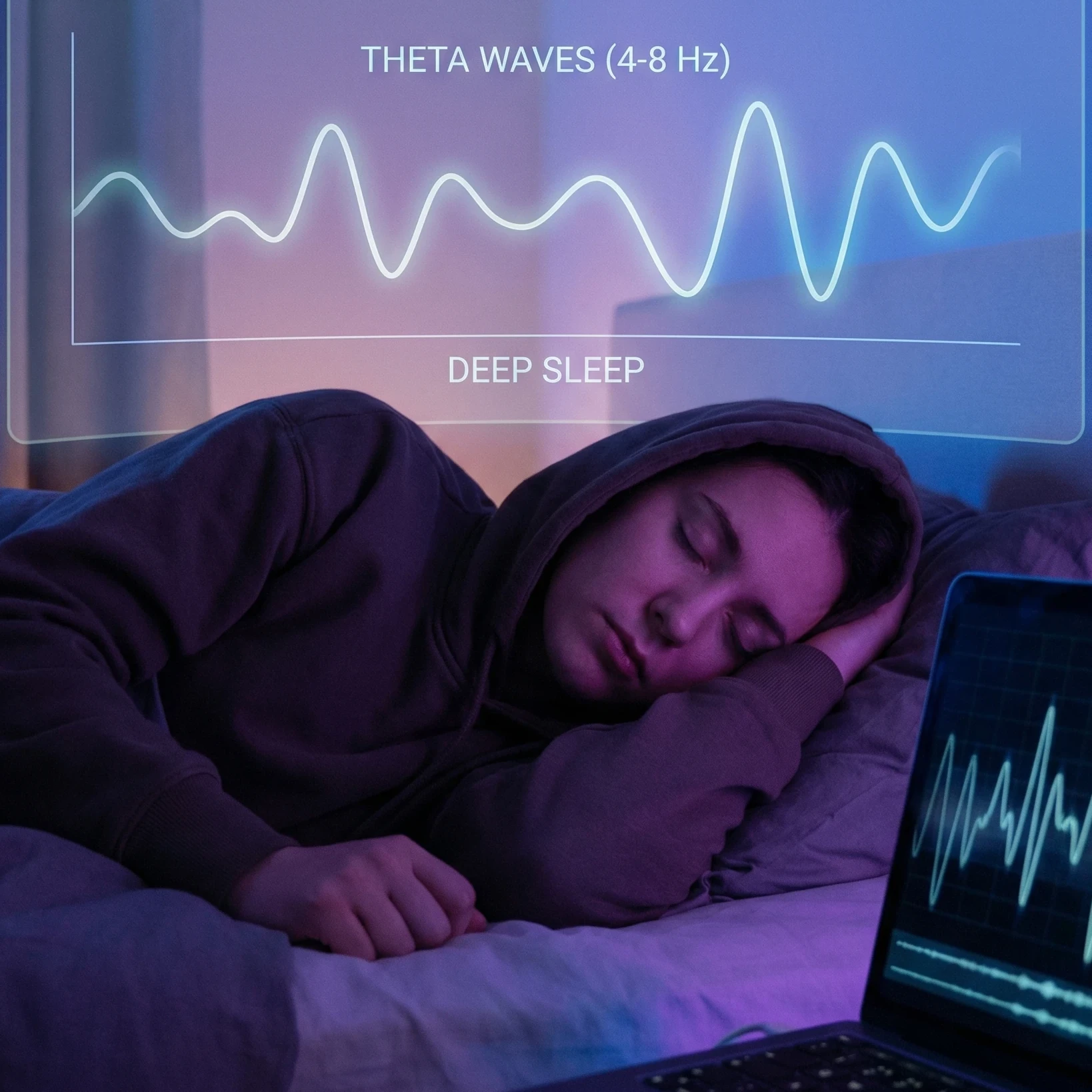
Theta waves are like the brain’s chill-out zone. Falling in the frequency range of 4 to 8 Hz, these brain waves are all about relaxation, creativity, and intuition. They’re the rhythm your brain settles into during deep meditation or that magical stage of light sleep when dreams start weaving their stories.
Mind-blowing fact for you — our brains switch between different wave frequencies all the time, depending on what we’re doing. So, if you’re in deep concentration, beta waves take the lead. But when it’s time to unwind, theta waves are your go-to buddies.
Now, why are theta waves such a big deal in mental wellness circles? Well, they’ve got this cool ability to help kick stress to the curb and boost creativity. That dreamy state when ideas just pop into your head? Thank the theta waves for that.
You’ll often hear about theta waves in meditation and mindfulness practices. When you meditate, your brain leans towards these frequencies, making it easier to access that zen state where calmness and inspiration strike. And you know what? A healthy dose of theta wave action might just help improve your mental clarity and emotional stability. A free mind spa, how cool is that?
Exploring the Evidence: Do Theta Waves Actually Work?
The big question: do theta waves really deliver the goods when it comes to relaxation and mental clarity? Well, science is on the case, and the buzz is promising. Researchers have been diving into brain wave therapy to see how these low-frequency wonders impact our minds. Many studies suggest that when people tune into theta wave soundtracks, their stress levels drop, and their creative juices flow more freely.
Ever had one of those “aha” moments when everything clicks into place? Some folks swear by theta waves for helping them hit that sweet spot. Testimonials from users often highlight enhanced meditation experiences and a calmer mindset. It’s like giving your brain a mini-vacation without booking a ticket.
However, there’s always a bit of skepticism in the scientific world. While lots of anecdotal evidence and small-scale studies exist, broader research is still catching up. Theta waves aren’t some magic trick—more like a tool in your mental health toolkit. It’s essential to keep an open mind but also a critical eye.
Misunderstandings about brain wave therapy can cloud the waters. Let’s clear it up: no, they won’t turn you into a Jedi master or instantly solve life’s puzzles. But used mindfully, they could potentially make those challenging days a tad smoother. It’s about finding what works for you in a world full of possibilities.
The Science Behind Theta Waves: Frequency and Characteristics
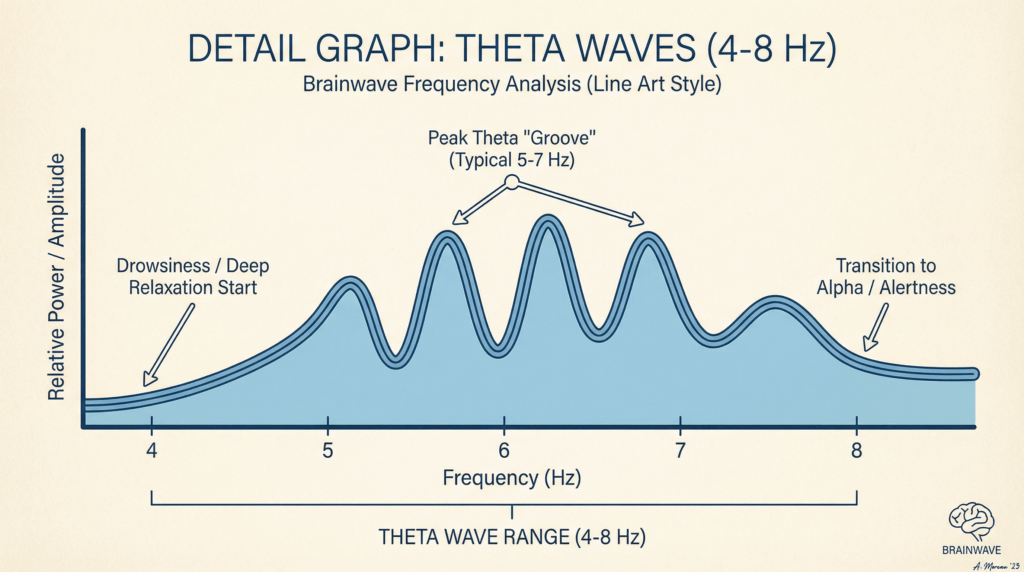
Theta waves groove in the frequency range of 4 to 8 Hz, a sweet spot for deep relaxation and creativity. They’re slower than alpha waves, which dominate when you’re chilling but still alert, and faster than the dreamy realm of delta waves that rule deep sleep.
Imagine your brain as a DJ mixing tracks. These different waves are like music genres, blending and changing based on what you’re up to. Theta waves are your smooth late-night jazz, setting the scene for introspection and serenity.
These waves shine during states of deep relaxation, like in meditation or light sleep, where daydreams unfold and the mind drifts freely. Some meditation techniques are even designed to help the brain slip into theta wave mode more often, potentially enhancing mental clarity and emotional calm.
Theta waves have been linked to phenomena such as lucid dreaming or light hypnosis. Tuning into them might just unlock deeper levels of subconscious insight. No guarantees of meeting dream unicorns, but it does elevate the potential for a richer, more mindful experience.
It’s important to remember these frequencies are natural players in our brain’s orchestra. The key is understanding their role and how tapping into them through soundtracks or meditation can harmonize your mental well-being. Learning to recognize when your brain’s riding this wave can be a game-changer in your relaxation rituals.
Integrating Theta Waves into Your Routine: When and How to Listen
Theta waves aren’t just for mystical monks. Incorporating them into your daily routine can be both chill and down-to-earth. The best times to plug into these frequencies? Early mornings or late evenings when the hustle and bustle take a backseat.
Morning listeners often use theta wave tracks to transition from groggy to focused gently. It’s like waking your brain up softly without the harsh buzz of an alarm. Evening sessions, on the other hand, help wind down from the stresses of the day, transitioning into relaxation or meditation.
To really amp up the benefits, pair theta waves with a mindfulness activity. Think meditation, some gentle yoga, or even journaling. The combo can heighten awareness and open up channels of creativity while dialing down anxiety.
Wondering if there’s a right way to handle a theta wave session? Grab some good quality headphones, find a comfy spot, and tune in. It’s generally not that complicated, but staying safe is important too. Don’t use them while driving or doing any activity that demands full attention. Keep it cozy and relaxing.
Experiment with different scenarios to find your sweet spot. Maybe it’s while cozying up with a good book or during a midday break. The trick is to keep it consistent and enjoyable. A little theta wave groove every day may just become your new best friend for personal zen moments.