
AI-generated nature sounds have started popping up everywhere, and honestly, they’re pretty convincing. Whether I’m looking to relax after a long day or just block out city noise, these virtual soundscapes feel surprisingly authentic, sometimes even more so than traditional recordings. I often get questions from readers about why these AI creations sound so real, so I’m unpacking what makes AI-generated nature sounds a go-to for anyone who loves natural ambiance.
What Are AI-Generated Nature Sounds, Anyway?
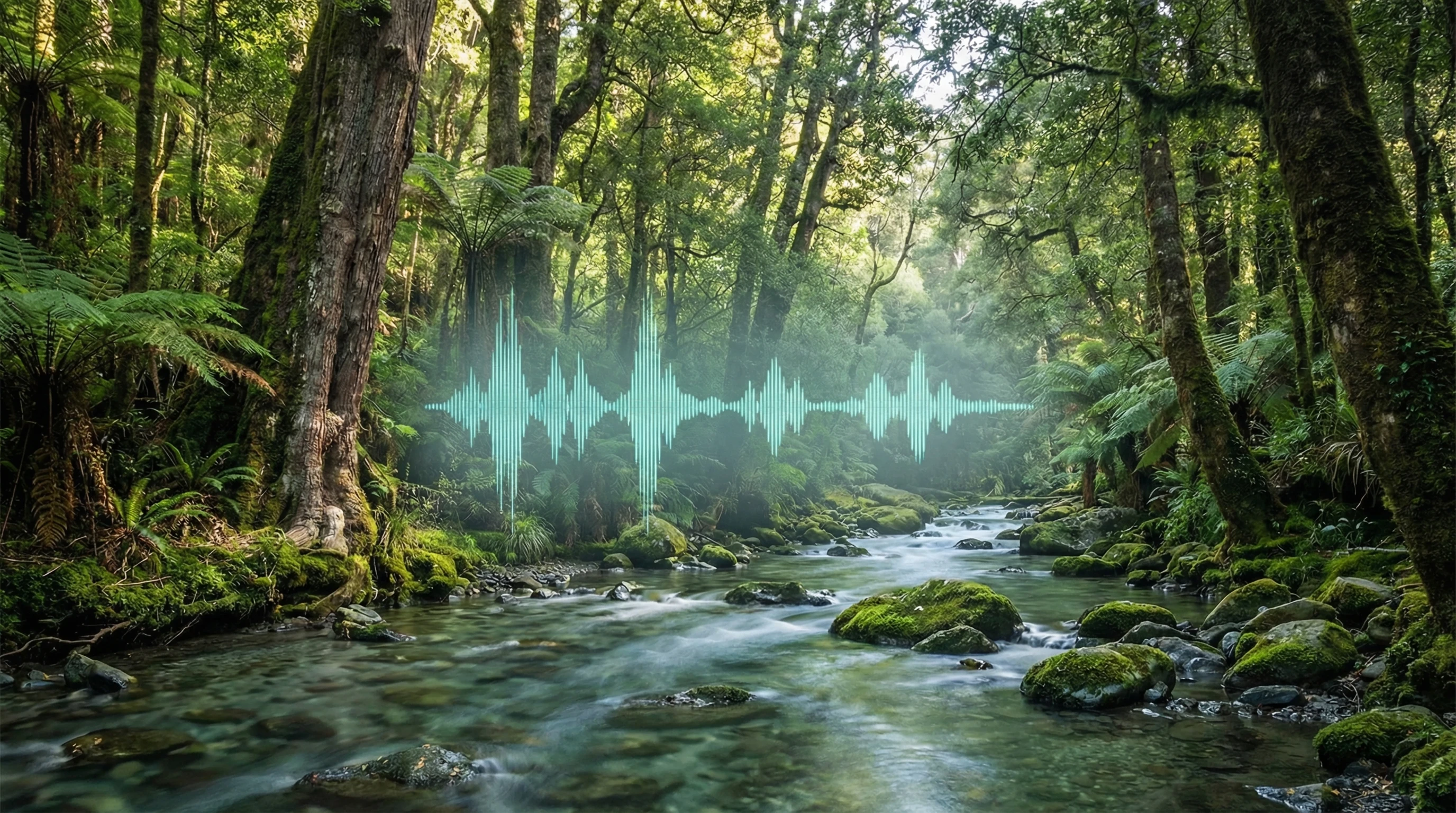
AI-generated nature sounds come from machine learning algorithms trained on tons of real world sound data. Instead of just playing back a prerecorded clip, the AI actually creates new audio every time, blending bird calls, wind, water, and more in ways that sound organic.
Unlike a looping audio track, AI-generated sounds never repeat in the exact same way. This makes the experience feel more natural, like you’re actually sitting in a forest or by the sea, soaking in the ever-changing soundscape around you. Companies use deep learning models for these sounds, and a big part of their training involves sorting through thousands of hours of real nature audio.
Why Traditional Recordings Sometimes Fall Short
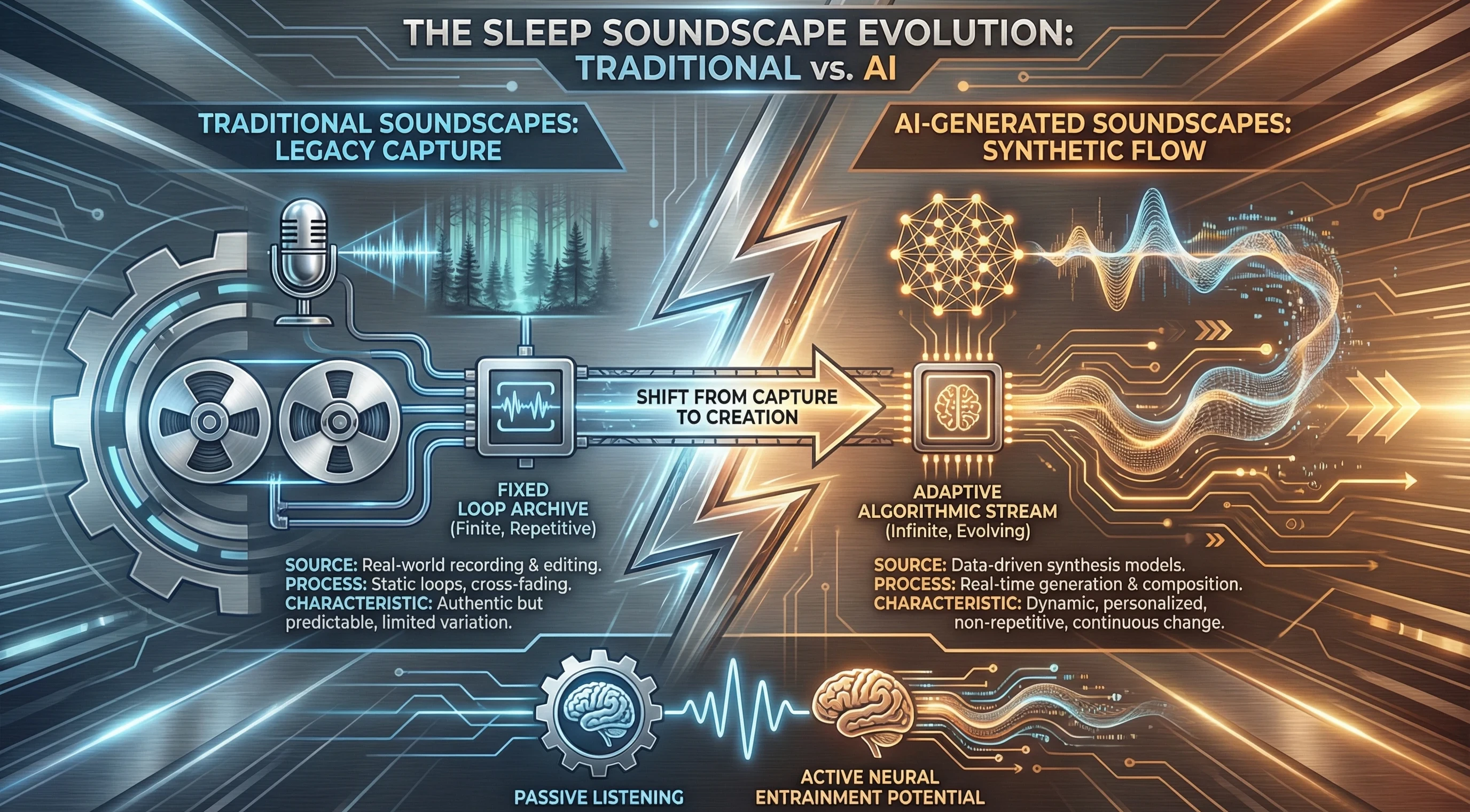
Traditional nature recordings get their charm from real locations, but they also have some limitations. If I’ve ever listened closely, I can often spot a repetitive loop, the faint sound of cars in the distance, or a bird call that repeats every ten minutes. With traditional tracks, once I notice the loop, it’s tough to ignore it.
Recording nature sounds the old fashioned way isn’t easy. Microphones might pick up unwanted background noise, and bad weather can quickly ruin a session. Also, most recordings are meant to loop for relaxation, so I end up hearing the same pattern over and over, which takes away some of the magic.
How AI Creates Real Sounding Experiences
AI-generated nature soundscapes use some pretty clever technology. Instead of snipping and joining clips together, the AI studies the characteristics of sounds: how birds respond to wind, how rain changes the feel of a forest, and even the way river sounds ebb and flow. The end result is audio that shifts and evolves in subtle ways all the time.
When I listen to AI nature sounds, I hear a wider range of detail and complexity. For example, I might pick up a woodpecker off in the distance, wind shifting in the trees, or a gentle stream that speeds up as the rain starts to fall. These little changes keep my brain engaged and make the whole experience less predictable and more immersive.
- Dynamic Soundscapes: The audio never exactly repeats. Nothing feels fake or forced.
- Context Awareness: AI can layer the right sounds together (like frogs croaking only at night or rain starting softly before building up).
- Smooth Transitions: Unlike old looped recordings, transitions between weather or animal sounds flow naturally.
AI Sound Design: Cool Features That Make a Difference
Some AI sound platforms offer fun tweaks and controls. Here are a few I’ve found handy:
- Personalization: Many apps let me dial up or down things like rain, birds, insects, or wind. I get to shape the acoustic atmosphere to fit my mood.
- Responsive Sound: Some services adjust sound in real time based on what I do, like increasing rainfall if I want to focus, or bringing in more gentle sounds if it’s time to wind down.
- Endless Variety: Since the audio is generated on the fly, even long sessions stay interesting without becoming monotonous.
The Science of Why Our Brains Prefer AI-Generated Nature Sounds
Nature sounds have strong effects on our minds and bodies. Research shows that these sounds can lower stress, improve focus, and even help with sleep (National Institutes of Health study). My brain naturally responds to little variations and subtle randomness; it’s what I hear when I’m outside in a real park or forest. AI-generated sounds mimic this flow, creating micro-changes that keep the experience authentic and calming.
With traditional tracks, my brain adapts and starts tuning out repetitive loops. AI-generated soundscapes tap into a deeper psychological comfort because there’s always something just a bit different, much like the actual outdoors.
Tips for Getting the Most Out of AI-Generated Nature Sounds
If you’re curious about trying AI nature sounds, here are a few pieces of advice that have worked well for me:
- Pick the Right Environment: Use headphones or good speakers for better immersion. It’s easier to pick up little details this way.
- Try Different Settings: Don’t be afraid to play around with the controls. Sometimes a gentle forest rain works wonders, and other times I need a lively riverside or a night crickets session.
- Mix with Real Life Sounds: If you have access to a balcony or an open window, let the AI blend with your environment for a super real effect.
Common Hurdles (and How to Tackle Them)
- Audio Quality: Low quality headphones or speakers can flatten or distort subtle sounds. Opt for at least mid tier gear for the best experience.
- Device Compatibility: Not all apps or sites work seamlessly on every device. If something sounds off, switching browsers or devices might help.
- Signal Interruptions: Some AI services stream from the cloud. A slow connection could cause glitches. Download options (if available) are useful here.
Audio Quality
To catch all the tiny details in AI-generated audio, decent sound gear makes a big difference. I noticed that lower end headphones can make everything sound muffled or overly blended, while even an average Bluetooth speaker can bring out more layers in the background.
Device Compatibility
Tech hiccups aren’t uncommon. A friend told me their browser kept crashing every time they tried a certain AI sound app. Switching to another browser or computer usually solves things, but it helps to test out different options if you run into trouble.
Signal Interruptions
Not all platforms are created equal; some run right in your browser, others in a mobile app. If you notice the sound cutting out or pausing, it might be a signal issue instead of the app itself. Some services let you cache audio for offline use, and I’ve found that helpful when I’m traveling or outdoors.
If you’re new to AI-generated nature sound apps, don’t worry. Most challenges are easy to sort out. Having good headphones and a reliable device pretty much covers the basics.
Real World Uses for AI Nature Soundscapes
AI-created nature sounds have found a bunch of practical uses outside just personal relaxation. I’ve come across people and organizations using them for a range of things:
- Work and Study Focus: Gentle nature sounds make a comfortable sound barrier, which helps concentration and keeps distractions at bay.
- Therapy and Meditation: Many therapists and mindfulness coaches recommend these customizable soundscapes to help set a calming atmosphere.
- Sleep Aids: AI sound options allow for more gradual changes in intensity, which can help with deeper, more restful sleep.
I’ve even seen techforward workplaces mixing AI nature tracks into office sound systems to maintain a calm vibe, especially in open-plan environments. And for anyone working from home, mixing these with regular background noise can really boost productivity or help ease into sleep at night.
Frequently Asked Questions
Here are a few questions I get a lot from people trying AI-generated nature sounds for the first time:
Question: Are AI-generated nature sounds as relaxing as real recordings?
Answer: In many cases, they’re even more relaxing, since they never fall into repetitive patterns. The natural flow keeps the experience feeling fresh.
Question: Do I need fancy headphones to enjoy AI nature sounds?
Answer: Not really, but having headphones or a decent speaker helps bring out the details, especially if you like subtle background effects.
Question: Can I use these sounds for commercial projects?
Answer: It depends on the app or service. Some offer royaltyfree sounds, but always check their licensing before using them for anything commercial.
Wrapping Up
AI-generated nature sounds offer a surprisingly lifelike experience. They adjust in real time, avoid annoying loops, and can be tailored to your mood, making them a solid choice for relaxation, focus, or just a mental getaway. Good sound quality and a bit of curiosity are all you need to check out what these tools can do.
Try out an AI soundscape next time you’re working, meditating, or just need to relax. There’s a whole world of sound waiting, right at your fingertips. Headphones aren’t required, but they certainly help.
For anyone interested in digging deeper, some AI sound apps even let you save personalized presets or share them with friends—perfect if you want to make your relaxing ritual part of your daily routine. If you stumble upon a favorite sound mix or creative feature, feel free to share your experience and help others track down their ideal environment. With new advancements coming all the time, there’s always something fresh to get into in the world of AI-generated nature sounds.
“I’m glad to have shared this information with you. Join the conversation by leaving your questions or comments below.”