
Ever wonder why some nights are easier to drift off than others? Well, music might hold some of those answers. Not any music, though—specifically relaxation music. It’s got this magic touch when it comes to getting your sleep game strong. Let’s dig into why.
First things first, your body loves to chill with good tunes. When you listen to relaxing music, your body starts to slow down and your stress levels take a nosedive. It’s like telling your brain, ‘Hey, it’s time to relax!’ This shift lowers anxiety, helping to clear your mind of the day’s worries, and sets the stage for better rest.
The soothing sounds aren’t just about feeling good—they actually tweak your sleep cycles. Particularly, they can help extend periods of deep REM sleep. This stage is crucial because it’s when your brain does its best recharging, clear-out, and memory-building. More quality REM means waking up feeling fresher and a whole lot more ready to tackle your day.
And here’s something cool: everyone’s got a unique response to music when it comes to sleep. Some folks might find classical tracks working like a charm, while others doze off to the gentle strumming of acoustic guitar. It’s all about finding what soothes you and helps your mind and body ease into slumber mode.
Understanding why music helps can empower you to use it better. Maybe next time you lay down, try some known calming tracks and see how it works for you. It’s worth experimenting with different melodies until you find your lullaby.
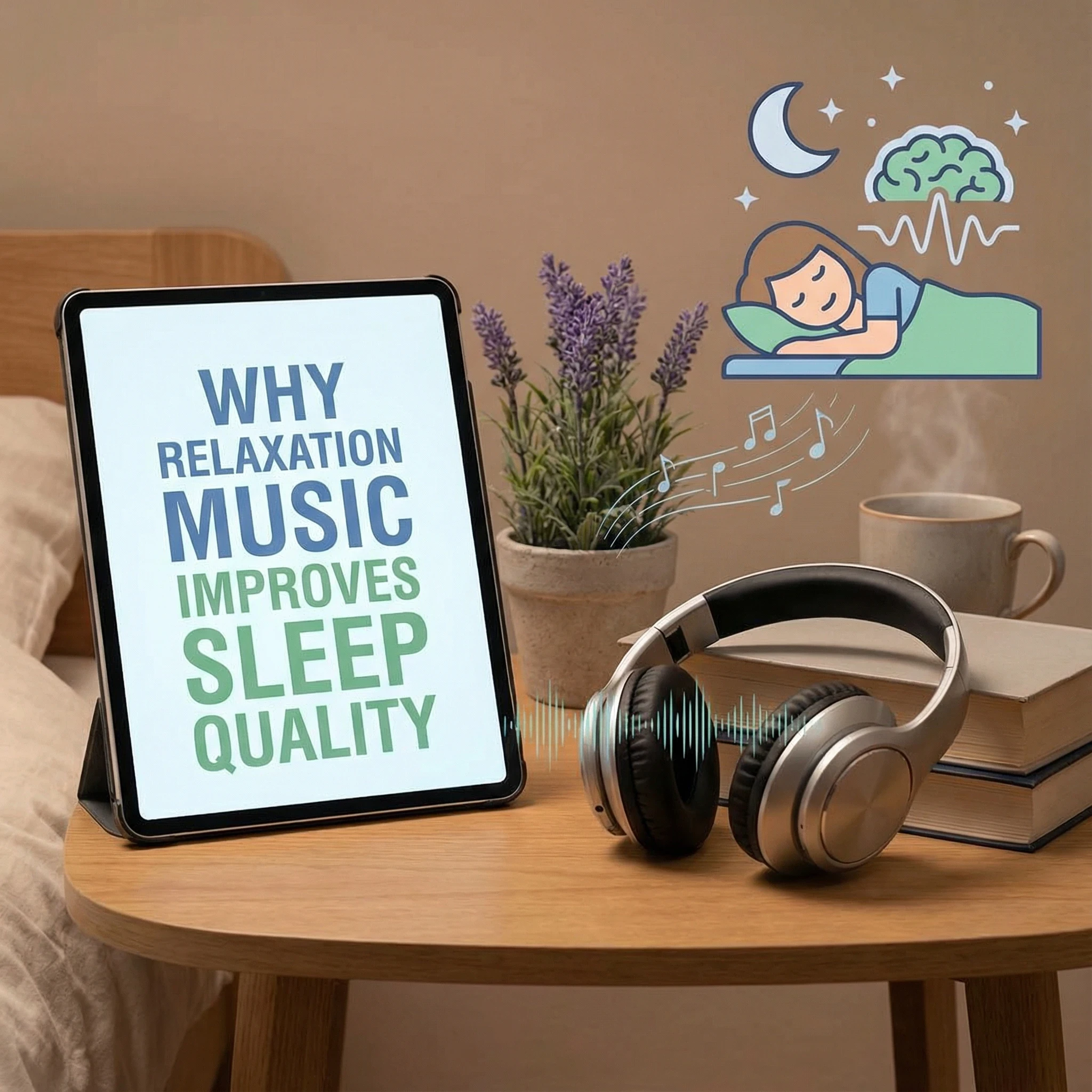
Implementing the 1-2-3 Sleep Rule for Better Rest
Ever heard of the 1-2-3 sleep rule? It’s a simple yet handy trick to boost your bedtime routine, and it works like magic when paired with the right tunes. The idea is easy to remember: one hour to wind down, two hours without food and caffeine, and three hours of no screens before bed. It’s designed to prep your body and mind for quality sleep time.
Music slides in perfectly into that one-hour wind-down window. Try crafting a bedtime playlist with chill tracks to help your body recognize that it’s about time to hit the hay. This music transition prompts your brain to cool off, which is a key player in feeling sleepy and relaxed.
Ever wonder how folks stick to this rule? They say the impact is huge once you work these steps into your nightly routine. People have slept better, felt more rested, and found peace in a consistent practice that gives them more energy the next day.
But hey, real talk, getting into a new habit isn’t always a walk in the park. Sometimes, the issue is modern life’s usual suspects: too many screens, late-night snacking, or caffeine hits. A little willpower and setting reminders can go a long way. If you face hurdles, try logging your routines and tweak them until they stick. And trust me, when it starts working, you’ll be grateful for putting in the effort.
Choosing the Right Relaxation Music for Optimal Sleep
Picking the right tunes for sleep isn’t just about what you like—tempo, genre, and personal vibes play key roles. Slow tempos generally help in calming the mind, and genres like classical or ambient might reduce stress and promote a pre-sleep state of relaxation.
Looking for some playlist inspo? Start with pieces known for their calming effects. Artists like Max Richter or albums like ‘Music for Deep Sleep’ might be just what you need. Experiment with playlists specially crafted for relaxation available on music streaming platforms. They take the guesswork out of finding music to suit your sleep.
And hey, there’s tech to make things easier. Apps that offer white noise, nature sounds, and more advanced options, have playlists just for sleep. Some even adjust the volume automatically as you fall asleep, so there’s no sudden silence or bothersome music jolting you awake.
But listen up, not every track will work for everyone. You might find some music too stimulating even if it’s tagged as relaxing. Keep a sleep journal to jot down what works and what doesn’t, and avoid songs that sneak in too much energy. The aim here is to help your mind drift off, not get it wired and awake.
“I trust you enjoyed reading this article fee free to leave any questions or comments below”